Jun 4, 2026
·Max Meyer
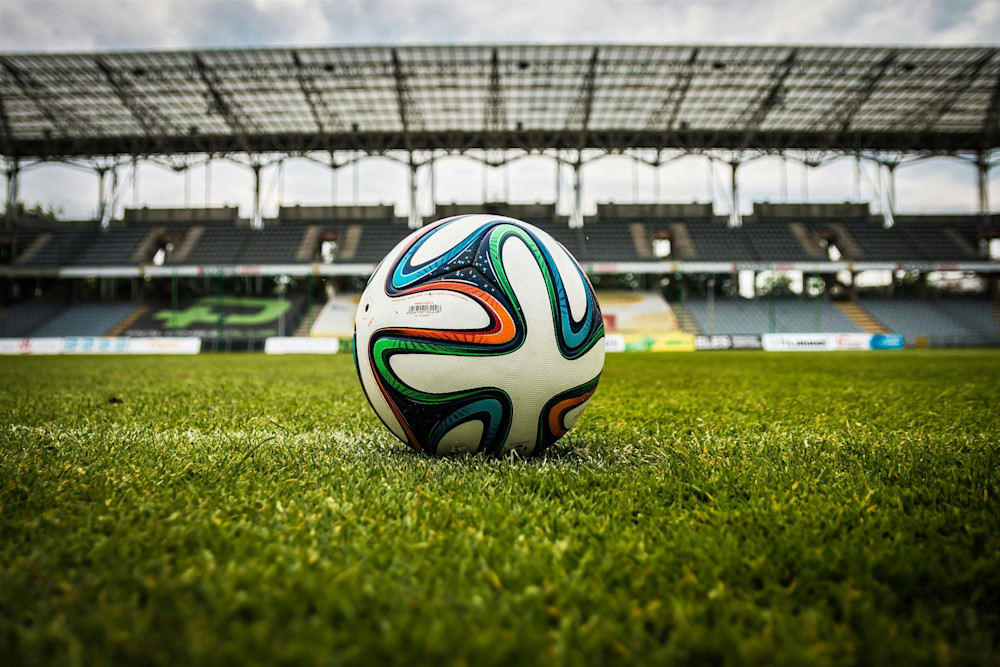
Heading to a 2026 World Cup match? Whether it is your first international tournament or your hundredth soccer game, matchday at the World Cup comes with its own set of rules, crowds and security checkpoints. A little planning can make the difference between a smooth walk through the gate and a stressful scramble outside the stadium.
Here is what to know before you go, including when to arrive, what you can bring, what to leave at home and other tips before you head for the stadium. Also keep in mind that stadium rules can change, so check the latest FIFA and venue guidance before matchday.
How early should you get to a World Cup game?
For a World Cup match, earlier is better. Plan to arrive at the stadium area at least two to three hours before kickoff, especially if you need to park, use public transportation, pick up food or enter with a group.
Your ticket or official matchday instructions may list a specific entry time. Use that as your starting point and build in extra time for traffic, rideshare drop-offs, security screening and walking to your gate. World Cup venues can draw huge crowds, and stadium entry may take longer than a regular club match.
A good rule of thumb: be near the stadium before gates open, not when the match is about to start.
World Cup tickets and stadium entry tips
Make sure your World Cup ticket is ready before you get to the stadium. For a World Cup match, your ticket is one of the most important things to check before leaving home, along with your phone battery, bag and route. Download the FWC2026 Mobile Tickets app ahead of time, log in before you arrive and make sure your ticket is available on your compatible mobile device. Screenshots and printed mobile tickets are not accepted for stadium entry.
If you are going with a group, make sure everyone knows how they are getting in. If one person has multiple tickets, your group may need to enter together. If people are arriving separately, transfer tickets before matchday or before you head to the stadium so no one is stuck waiting outside the gate.
Your ticket may also include important entry details, such as your assigned gate, seating area or recommended arrival time. Check those details before you arrive. At a major event like the World Cup, going to the wrong entrance can mean a long walk around the stadium and extra time in crowds.
Keep your phone charged and your ticket easy to access as you approach security. Cell service can be slow around busy stadiums, so do not wait until you are standing at the gate to log in, search your email or figure out where your ticket is. It is also a good idea to turn up your screen brightness before scanning.
What bag can I bring to a World Cup match?
World Cup stadiums are expected to follow a clear bag policy.
Approved bags should be clear and made of plastic, vinyl or PVC. They must be no larger than 12 inches x 6 inches x 12 inches. Small clutch purses or wallets are also allowed, even if they are not clear, as long as they are about the size of a hand and no larger than 4.5 inches x 6.5 inches.
Avoid bringing backpacks, large purses, camera bags or non-transparent bags. Seat cushions with pockets, zippers, compartments or covers are also generally prohibited.
To make entry easier, bring as little as possible. Your phone, ticket, ID, payment card, keys and a small approved bag should cover most fans’ needs.
Can I bring food or drinks into the stadium for a World Cup match?
In most cases, outside food and drinks are not allowed.
Reusable water bottles may not be brought into the stadium. Bottles, cups, jars, cans, thermoses and flasks are also prohibited. Fans should plan to purchase drinks inside the venue, where available.
There are limited exceptions for baby milk, sterilized water, food for babies or young infants and medically required food or liquids. Medical exceptions may require a medical certificate, and permitted items must follow FIFA’s container and quantity rules.
Do children need their own World Cup tickets?
Most children need their own ticket to enter a World Cup match.
The main exception is for a “baby in arms,” which FIFA defines as a child who is two years old or younger on matchday and no taller than 34 inches, or 86 cm. A baby in arms can enter without their own ticket only if they sit on the lap of a ticket holder. They cannot occupy their own seat, and each ticket holder may bring only one baby in arms.
If your child does not meet those requirements, they need their own ticket. FIFA also notes that World Cup tickets will not be sold at the stadium on matchday, so families should sort out tickets before arriving.
Can I bring a stroller to a World Cup match?
No. Strollers are listed among prohibited items, along with bicycles, rollerblades, skateboards, kick scooters and electric scooters. Families with young kids should plan accordingly, especially if they have a long walk from parking, transit or rideshare areas.
What am I not allowed to bring to a World Cup match?
World Cup stadiums have strict rules about what fans can bring inside, so it is best to pack light and leave anything questionable at home. The most important things to avoid are weapons, fireworks, flares, smoke devices, drones, laser pointers and anything that could be thrown or used as a projectile.
Fans should also avoid bringing large or hard objects that could create safety issues in a crowd, including umbrellas, hard hats, motorcycle helmets, balloons, inflatable items and sports equipment such as balls, darts or frisbees. Selfie sticks, tripods, monopods, large binoculars, professional video cameras and professional recording equipment are also generally not allowed.
Noisemakers such as vuvuzelas, whistles, air horns and loudspeakers are prohibited, and animals are not allowed inside unless they are service animals. Smoking devices may be permitted to carry where local law allows, but they cannot be used inside the stadium.
Because rules can vary by venue and may change before matchday, check the latest FIFA and stadium guidance before you leave. If you are not sure whether something is allowed, do not bring it.
Can I bring flags, banners and signs to a World Cup match?
Flags, banners and posters are allowed only if they meet FIFA’s size and safety rules. They must not exceed 2 meters x 1.5 meters unless approved in advance, must be made of non-flammable material and must be presented for inspection at the stadium entrance.
Political, offensive, discriminatory or commercial materials are prohibited. That applies to banners, flags, flyers, apparel and other items. Keep it festive, friendly and focused on supporting your team.
Can I leave a World Cup match and come back in?
Do not count on re-entry. Once ticket holders leave the stadium, they generally will not be allowed back in except in exceptional circumstances, such as certain medical emergencies, as determined by FIFA or stadium officials.
Before entering, make sure you have everything you need and that everyone in your group is ready to go through security.
World Cup matchday checklist before you head to a match
Before you leave for the stadium, make sure you have:
Your match ticket ready on your phone or approved ticketing device
A fully charged phone
A valid ID, if needed for age verification, travel or payment
A payment card or mobile wallet
An approved clear bag or small clutch, if you are bringing a bag
Any required medical documentation for approved medical items
Weather-appropriate clothing
Comfortable shoes
Your gate or entry information checked
A plan for getting home after the match
A little planning at home can make the stadium feel less like a maze and more like the start of the matchday you came for. Get there early, feel the World Cup buzz build around you and let the excitement start before the whistle.
📁 Categories: World Cup
🏷️ Tags: World Cup 2026