Jun 9, 2026
·Mary Callahan
If you’ve ever shopped for tickets and wondered whether you were looking at a primary listing or a resale listing, you’re not alone. It’s one of the most common questions ticket buyers have, especially for high-demand games, concerts and theater shows.
The simple difference is this: primary tickets are sold for the first time by the venue, team, artist, promoter or official ticketing partner. Resale tickets are tickets that were already purchased once and are now being listed again by someone who wants to sell them.
That’s also why where you shop matters. SeatGeek is one of the few major ticketing platforms that supports both primary and resale ticketing across its marketplace, depending on the event.
For some events, SeatGeek is the official ticketing partner, which means available tickets come directly from the original source of inventory. For other events, SeatGeek may offer resale tickets from sellers who already purchased seats and are listing them again.
Understanding how primary and resale tickets work, and why different events may have different types of inventory, can help you shop with more confidence no matter which tickets are available.
What are primary tickets?
Primary tickets are the original tickets made available when an event first goes on sale. These are the seats released during presales, general onsales and other official inventory windows.
When you buy a primary ticket, you’re buying it directly from the original source of inventory (like the venue, team, artist, promoter or their official ticketing partner) rather than from another fan or seller.
Primary tickets are usually the first place fans look because they are part of the initial event release. Face-value inventory is often available at the start, and buyers may have access to a wider range of standard ticket options before sections begin to sell out.
For major events, though, primary inventory can move fast. Popular games, headline tours and limited-run shows can sell out quickly, sometimes before many buyers even make it through the queue.
What are resale tickets?
Resale tickets are tickets that have already been purchased and are now being offered for sale again.
Usually, that means a ticket holder can no longer attend, wants to upgrade seats or is listing tickets after demand has changed. In practice, resale inventory gives buyers another chance to get into an event after primary tickets are gone or when they want different seat options.
Resale tickets can be especially useful when the original onsale has sold out, when you missed the primary onsale, when you want a specific section or row, or when you are shopping closer to event day.
For many high-demand events, resale is not a backup plan so much as the market most fans end up using once primary inventory disappears.
Primary vs. resale tickets: the biggest differences
There are several practical differences between primary and resale tickets that can affect how, when and why you buy.
1. Where the ticket comes from
The biggest difference is the source. Primary tickets come from the original event inventory (venue, team, artist, promoter or official ticketing partner), while resale tickets come from a previous buyer or seller relisting a ticket they already own.
2. When they are available
Timing is another major distinction. Primary tickets are available when tickets first go on sale.
Resale tickets typically appear after that, although in-demand events can see resale listings show up almost immediately once the first wave of tickets is purchased and ticket holders decide to list their seats.
3. How pricing works
Pricing works differently depending on the market.
Primary tickets often start at face value set by the event organizers, though pricing can vary depending on the event and demand (for example, through dynamic pricing).
Resale ticket prices move with the market. That means they can go above face value for high-demand events, drop below face value for lower-demand events or closer to showtime, or rise and fall depending on inventory, timing, matchup, artist popularity and seat location.
That flexibility is one reason many buyers like browsing resale listings. It gives them more ways to compare value across sections and dates.
4. Inventory and seat selection
Seat selection can also look very different between the two.
Primary inventory gives you access to the first release of seats, but not always every option forever. As the event sells, certain sections, rows or price levels may no longer be available in the primary market.
Resale inventory can sometimes offer seat locations that are no longer available as primary tickets. That can be valuable if you are targeting a specific part of the venue, trying to sit with friends or looking for a better view after the original onsale.
5. Buying strategy
Your approach as a buyer may change depending on which market you’re shopping.
Primary is often best when you are ready right at onsale and want the first shot at standard inventory.
Primary is often best when you are ready right at onsale and want the first shot at standard inventory. Resale is often best when the event is sold out, when you want to compare more seat choices, when you are watching for price movement or when you are trying to find the best mix of section, view and budget.
Are primary tickets cheaper than resale tickets?
A lot of buyers assume primary is always cheaper, but that is not guaranteed.
Sometimes resale tickets cost more because demand is high and inventory is scarce. Other times resale tickets drop below the original price, especially when sellers want to move tickets before the event starts.
The smarter comparison is not just primary versus resale. It’s value versus value.
That means looking at the full picture before you buy: the section, the full price including fees, the view, the amount of availability left and how close you are shopping to the event.
Which is better: primary or resale tickets?
Neither is automatically better. It depends on what you need.
Choose primary tickets if you:
Are shopping right when the event goes on sale.
Want first access to original inventory.
Prefer buying during presales or the initial onsale window.
Choose resale tickets if any of the following apply:
You missed the onsale.
You need tickets to a sold-out event.
You want more seat choices.
You are looking for market-based pricing that may improve over time.
You want another way into a high-demand event.
For many buyers, the best option is simply the one that gives them the right seat at the right price at the right moment.
How to shop smarter for primary and resale tickets
No matter which type of ticket you’re buying, a few habits can make the process easier and help you spot better value.
Compare the full price
Start by looking at the total cost, not just the headline number. Seeing the all-in price up front makes it easier to compare options across listings and stay on budget.
Think beyond just the cheapest seat
The lowest price is not always the best value. Seat location, row, sightline and timing all matter.
Use tools that help you judge value
When you’re deciding between multiple listings, it helps to use signals that go beyond sticker price alone. Comparing section, seat location and overall value can make the decision much easier.
Check the view before buying
A better seat on paper is not always a better experience in person. If you can preview your sightline, you can buy with more confidence.
Move when the right option appears
For high-demand events, waiting too long can mean fewer choices and higher prices. If you find the right combination of price, location and timing, it can make sense to lock it in.
Buying primary and resale tickets on SeatGeek
SeatGeek supports both primary and resale ticketing across its marketplace, but the type of ticket available depends on the event.
For example, when SeatGeek is the official ticketing partner for a team, venue or event, available tickets typically come from primary inventory. For events where SeatGeek is not the official ticketing partner, fans may find resale listings from sellers who already purchased tickets and are listing them again.
That matters because fans do not always shop for tickets in the same way. Sometimes you’re buying directly through an official ticketing partner during the original onsale. Other times, you’re looking for resale tickets to an event where primary inventory is unavailable, sold out or managed through another platform.
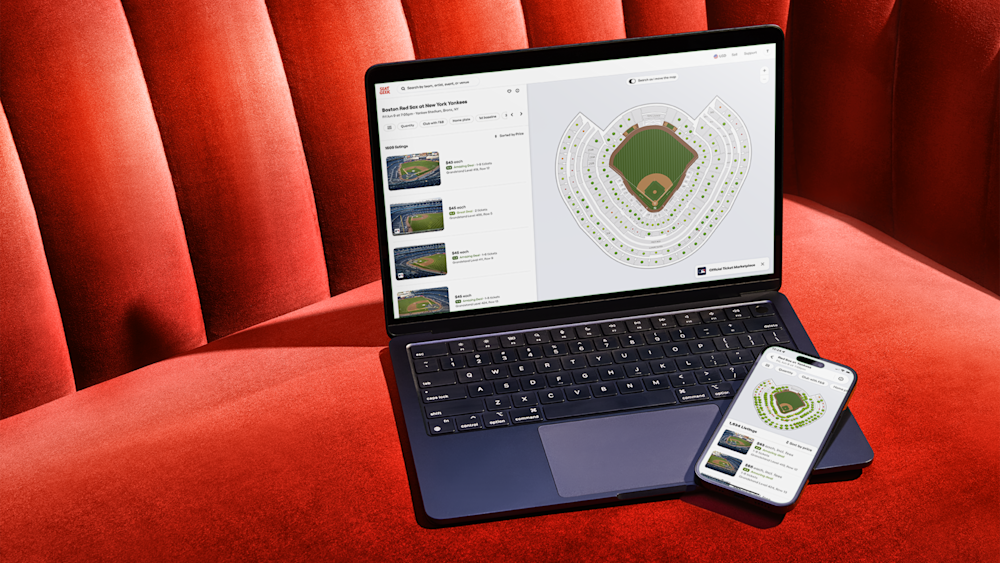
SeatGeek is built to support both experiences. With all-in pricing, interactive seat maps, Deal Score and View From Seat, SeatGeek helps you understand the full price, seat location and overall value of the tickets available for your event. Tickets are delivered digitally, and every order is backed by SeatGeek's Buyer Guarantee.