Feb 27, 2026
·Emily Kho
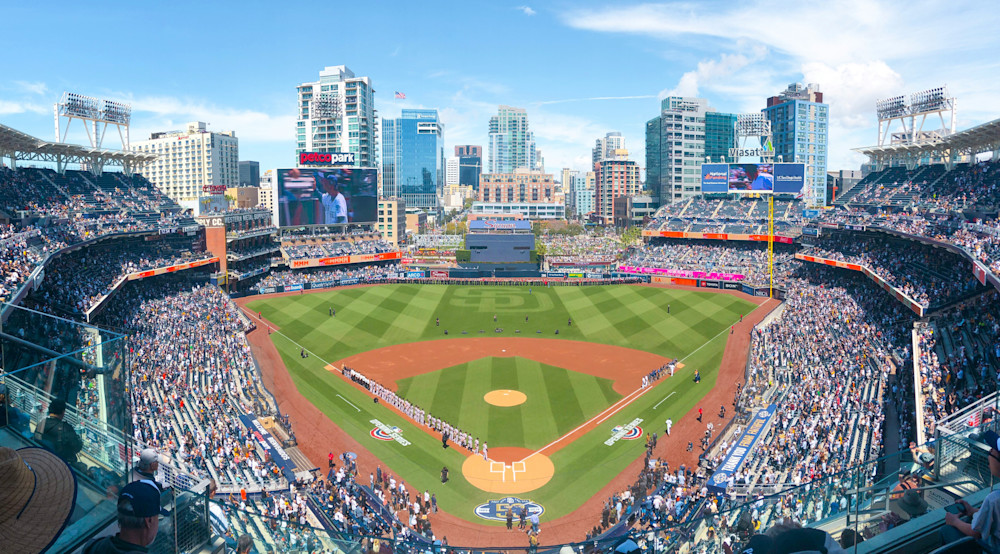
A sunny afternoon at the ballpark sounds perfect, until you realize you’re sitting in direct sunlight for three hours with no shade in sight.
Because most MLB stadiums are open-air venues, sun exposure can dramatically affect your comfort level. Afternoon games in July and August can feel significantly hotter depending on where you sit, and not all sections provide equal protection from the sun.
If staying cool is a priority, seat selection matters just as much as ticket price. Here’s how to avoid the sun at MLB games and choose seats that keep you shaded and comfortable.
Why sun exposure varies so much at MLB stadiums
Unlike domed arenas, MLB ballparks are built with unique orientations. Most are positioned so the batter faces east or northeast, which means the sun typically moves across specific sections throughout the game.
For day games, the sun angle shifts inning by inning. Seats that start shaded may become exposed later, and vice versa. That’s why understanding stadium layout, not just section numbers, is key.
The time of first pitch also plays a major role. A 1:05 PM game creates a very different sun pattern than a 4:10 PM start.
Are evening MLB games better for avoiding the sun?
In most cases, night games would be the simplest way to avoid extended sun exposure.
A 7:00 PM first pitch dramatically reduces the amount of time spent in direct sunlight. Even if portions of the stadium receive late-afternoon sun, it typically fades quickly as the game progresses.
If staying cool is your top concern, evening games offer the most reliable solution.
Which side of an MLB stadium gets more shade?
In most MLB parks, the third-base side receives shade earlier than the first-base side.
Because of standard stadium orientation, the sun tends to shine across the first-base line longer during afternoon games. As a result, third-base sections and areas behind home plate often move into shade sooner.
This isn’t universal, but it’s a strong general rule for day games.
If you’re choosing between similar seats on opposite baselines, third-base side seating usually provides better protection from the sun.
MLB stadium upper deck overhangs can be your best friend for avoiding the sun
One of the most consistent ways to avoid direct sunlight is to sit under an upper deck overhang.
Many MLB stadiums feature a second or third level that extends over lower sections, creating built-in shade. Seats in the last several rows of lower levels, particularly behind home plate or along the baselines, are often protected for the entire game.
When browsing tickets, look for rows toward the back of lower-level sections. These are more likely to sit beneath structural coverage.
Interactive seat maps on SeatGeek can help you visualize whether a section sits under an overhang before purchasing.
How MLB stadium club level seating can help you stay cool
Club level sections are often partially shaded due to architectural design. These sections typically include wider concourses and access to indoor areas, providing opportunities to step inside and cool off.
While club seats may cost more than upper deck options, the comfort tradeoff can be worthwhile during peak summer months.
If you’re attending a July or August afternoon game, comparing club-level pricing against shaded lower-level seats may reveal reasonable upgrades.
Are outfield seats at MLB stadiums hotter than baseline seats?
Outfield sections can be more exposed to sunlight, especially during early afternoon games. Many outfield areas lack the overhang coverage found near home plate or along baselines.
Additionally, metal bleacher seating in some stadiums absorbs heat more quickly than traditional stadium chairs, increasing surface temperature.
If you’re prioritizing shade, outfield bleachers are usually less predictable and more sun-exposed than covered lower-level seating.
How MLB stadium design affects sun exposure
Every ballpark is different. Iconic venues like Fenway Park and Wrigley Field feature unique layouts that influence shade patterns. Newer stadiums often incorporate partial roofing structures that create more shaded seating options.
Because shade lines move throughout the game, checking seating maps and, when possible, fan photos can help confirm which sections are consistently protected.
Understanding a specific stadium’s design is especially important for early afternoon first pitches.
Does seat row matter as much as section for avoiding the sun at MLB games?
Absolutely. Within the same section, rows can have drastically different sun exposure. The first 10 rows may sit fully exposed, while the last 10 rows are completely shaded by an overhang.
When browsing tickets, zoom in to view row numbers. Choosing a slightly higher row in the same section can significantly improve comfort without changing price dramatically.
Sometimes, moving back five rows makes a bigger difference than switching entire sections.
How to plan for heat beyond just seat location at MLB games
Even with shaded seating, summer MLB games can be warm. Arriving prepared improves overall comfort.
Bringing sunscreen, wearing light clothing, and staying hydrated are obvious strategies. Many stadiums allow sealed water bottles or provide refill stations, which can help reduce overheating.
Arriving early also allows you to identify shaded concourse areas or indoor spaces where you can cool down between innings.
Comfort planning should complement smart seat selection.
Find shaded MLB seats with confidence at SeatGeek
Avoiding the sun at an MLB game starts with understanding stadium orientation, timing, and structural coverage. Third-base side seating, overhang protection, and evening start times consistently offer the most comfort.
SeatGeek makes it easier to put that knowledge into action. On SeatGeek’s MLB tickets page, you can use interactive seat maps to zoom in by section and row, so you can quickly spot third-base side seats, overhang coverage, and club level options that are more likely to stay shaded.
Our Seat Views photos help you see what the view from a section actually looks like before you buy, including whether you’re tucked under an overhang or fully exposed to the sun. Deal Score surfaces the best values, so you can balance shade, sightlines, and price without guesswork.
Whether you’re heading to a midsummer afternoon matchup or planning ahead for a weekend series at a classic park, SeatGeek gives you the tools to find cooler, more comfortable seats—so you can focus on the game, not the heat.
📁 Categories: MLB