Broadway stage door etiquette: How to meet the cast, get autographs and what fans should know
Oct 13, 2026
·Mary Callahan
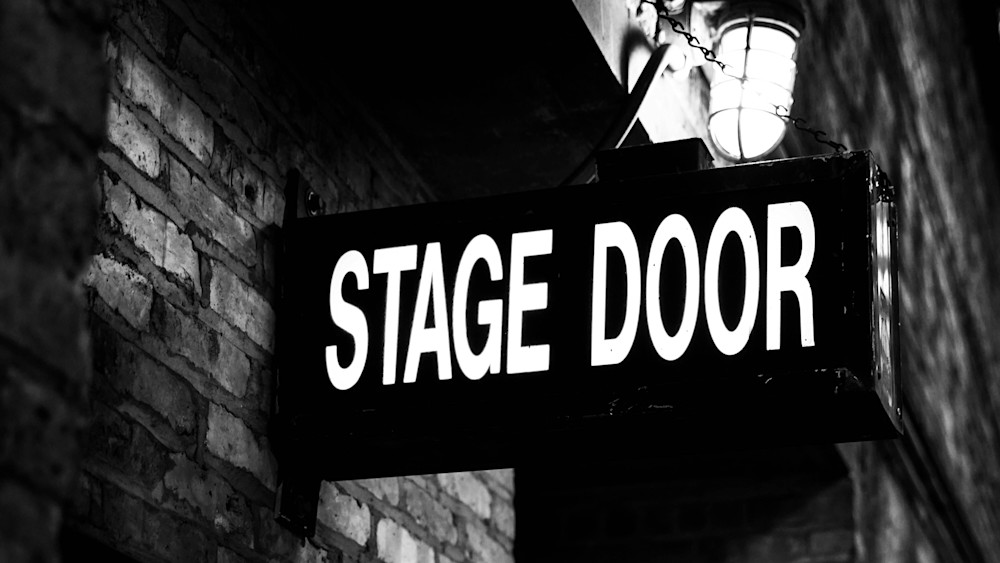
For Broadway fans, the experience does not always end when the curtain falls. After the final bows, some theatergoers head outside hoping for one more memorable moment: meeting the performers who brought the show to life.
Known as stage dooring, this Broadway tradition gives fans a chance to greet actors, collect autographs on their Playbills and sometimes take a photo with a favorite performer. From popular musicals such as Wicked and The Outsiders to celebrity-led plays, the stage door has become an exciting part of the theater experience.
There is an important distinction between seeing an actor onstage and meeting them afterward, though. Not every performer participates, and even actors who regularly greet fans may skip the stage door because of their schedule, health, the weather, crowd conditions or personal preference.
Whether you are attending your first Broadway show or hoping to meet a favorite performer, here is everything to know about Broadway stage door etiquette, including where to wait, what to bring, how autographs work and what fans should expect.
What is stage dooring on Broadway?
Stage dooring is the practice of waiting outside a theater’s designated backstage entrance after a performance to greet cast members as they leave.
At many Broadway theaters, security personnel set up barricades to organize the crowd and create a safe path for performers. Actors who choose to participate may walk along the barricade, sign Playbills, take photos or briefly chat with fans.
Every Broadway theater has a stage door, but that does not mean every production organizes post-show meet-and-greets. Stage door interactions are voluntary, are not included with admission and are never guaranteed.
Theater staff may also change the waiting area or restrict access depending on the size of the crowd, the cast or the needs of the building.
How to stage door on Broadway
If you are hoping to get a Broadway autograph, a little preparation can make the experience easier, especially at popular productions with large fan communities.
Find the stage door before the performance
The stage door is usually separate from the theater’s main entrance. Depending on the building, it may be along a side street, around the corner or near a designated employee entrance.
Ask an usher where fans typically gather after the show or look for signs identifying the stage door. Some theaters establish a specific barricaded area, while others have limited space for waiting.
Avoid wandering into restricted backstage areas or blocking employee entrances while looking for the right location.
Stay for the curtain call
After the final scene, applaud the performers and enjoy the bows before heading outside.
At productions with especially popular casts, some fans rush toward the exits to secure a spot along the stage door barricade. However, leaving before the curtain call can mean missing a meaningful part of the performance, and it still does not guarantee an autograph.
Once the bows conclude, follow the theater’s exit instructions and head toward the designated waiting area.
Have your Playbill ready
A Playbill is one of the easiest and most popular items to have signed.
Keep it accessible, open to the front cover and ready to hand over when a performer approaches. A firm folder can help protect it from bending, especially if you are traveling or attending several shows during the same trip.
Many actors who sign autographs bring their own markers, but carrying a permanent marker can be useful. Choose a color that will show clearly on the Playbill cover.
Wait behind the barricade
Security staff may tell fans where to stand, how to form lines and whether items can be passed forward for signatures.
Stay within the designated waiting area, leave room for pedestrians and never push past other fans to reach an actor. If you are several rows back, you may be able to politely ask someone at the barricade to pass your Playbill forward, but do not assume they will be comfortable doing so.
Keep interactions friendly and brief
If a cast member stops in front of you, a simple compliment can go a long way.
Mentioning a favorite song, scene or moment from the performance is usually more meaningful than launching into a long conversation. You can politely request a signature or photo, but remember that performers may be greeting dozens or even hundreds of people.
Thank them for their time and allow them to continue along the barricade.
Respect performers who do not stop
Some actors exit through another door, leave immediately or prefer not to interact with crowds after performing.
Do not call after them, attempt to follow them or demand an explanation. A performer choosing not to stage door is not a reflection of their appreciation for the audience.
The performance itself is what your ticket guarantees. Everything afterward is an optional bonus.
Broadway stage door etiquette: The dos and don’ts
Stage dooring can be a positive experience when fans are considerate of performers, theater employees and one another.
Do | Don’t |
|---|---|
Follow theater staff and security instructions | Cross barricades or block exits |
Keep Playbills ready for signatures | Bring stacks of memorabilia to sign |
Ask before taking a selfie | Grab, touch or hug actors without permission |
Thank everyone who stops | Ignore ensemble members or understudies |
Make room for other fans | Push through the crowd |
Accept that some actors will not appear | Chase or follow performers |
Keep conversations short | Demand signatures or photos |
The most important rule is to remember that stage dooring is a privilege, not a required part of a Broadway performance.
Which Broadway shows have active stage door followings?
Stage dooring is a popular tradition across Broadway, but some productions attract especially enthusiastic crowds. Shows featuring recognizable celebrities, breakout performers or passionate fan communities often generate the most interest, with theatergoers hoping to collect autographs, take photos or briefly meet the cast.
Musicals with younger fanbases and strong social media followings can have particularly lively stage door scenes. Popular productions such as The Outsiders, Wicked and The Great Gatsby have attracted fans interested in meeting the actors behind their favorite characters. Meanwhile, celebrity-led plays and limited Broadway engagements can draw crowds eager to see well-known film, television and theater stars up close.
However, a show's popularity doesn't necessarily indicate how often its performers participate. Some casts regularly greet audiences, while others rarely stop for signatures or photos. Even within the same production, individual actors may have completely different approaches to stage dooring.
If meeting the cast is an important part of your Broadway plans, consider checking recent fan experiences on Reddit's r/Broadway community, Broadway discussion forums or the production's official social media accounts. These sources can offer insight into typical crowd sizes, stage door locations and whether fans have recently met performers after a show.
Remember that stage door participation is always optional, regardless of how famous the actor is or how popular the production may be. The best approach is to enjoy the performance first and treat any opportunity to meet the cast afterward as an added bonus.
What do Broadway fans say about stage door etiquette?
Fan discussions can provide useful insight into how stage dooring works in practice, especially at productions with large crowds. They can also highlight behavior that makes the experience uncomfortable for performers, theater employees and other audience members.
These accounts are anecdotal, not a representative survey of Broadway fans, but several themes appear repeatedly.
Popular stage doors can become crowded
Fans have expressed frustration with repeat visitors occupying prime barricade spots at productions such as The Outsiders and The Lost Boys.
There is no universal rule preventing someone from returning to the same stage door multiple times. Still, frequent visitors can help create a more welcoming environment by making space for first-time attendees and people who have difficulty navigating dense crowds.
Poor behavior can affect the whole crowd
Fans have described people blocking sidewalks, pushing toward barricades, bringing excessive amounts of memorabilia and gathering before the performance has finished.
The takeaway is simple: respect theater workers, avoid overcrowding and remember that an autograph is not worth creating an unsafe situation.
The ensemble and understudies deserve attention, too
Stage door etiquette also means appreciating performers beyond the biggest celebrity names.
Broadway productions depend on talented ensembles, swings and understudies. Some of those performers may be the cast members who stop to greet fans, and recognizing their work can make the interaction especially meaningful.
If a recognizable actor signs your Playbill and other cast members are still waiting nearby, avoid treating everyone else as invisible. A quick thank-you can make a difference.
How long should you wait at the Broadway stage door?
There is no universal stage door schedule. As a practical guideline, consider allowing 20 to 45 minutes after the performance, with the understanding that some actors may emerge sooner, significantly later or not at all.
The timing can depend on the size of the cast, whether a performer has backstage visitors, the time of day and how the theater manages its exits.
If you are attending an evening performance, think about your transportation plans before deciding to wait. Fans relying on trains, rideshares or other late-night transportation should leave enough flexibility to get home safely.
Can you stage door after a Broadway matinee?
Yes. Fans can wait at the stage door after matinee performances, but actors may be less likely to greet audiences when they have another show scheduled that evening.
On two-show days, performers often have limited time to eat, rest and prepare for the next performance. That can make an evening stage door appearance less likely, though there is no performance time that guarantees more actor appearances.
If meeting the cast is your main priority, an evening show may be worth considering. Treat that as a general possibility, not a promise.
What should you bring to a Broadway stage door?
You do not need much to enjoy the experience. The most useful preparation involves bringing something easy to sign and making sure you are comfortable waiting outside.
A Playbill, protective folder, permanent marker and fully charged phone are generally enough. Dress for New York City weather, especially during colder months when you may be standing outside for an extended period.
Keep bags manageable and avoid bringing oversized posters or other items that could obstruct the sidewalk or make it difficult for performers to move along the barricade.
FAQs about Broadway stage dooring and autographs
From getting Playbills signed to meeting your favorite performers after the show, Broadway stage dooring comes with plenty of questions, especially for first-time theatergoers. Here are answers to some of the most common questions about autographs, photos, wait times and what to expect outside the theater.
Is stage dooring free on Broadway?
Yes. There is generally no additional charge to wait at a Broadway stage door or request an autograph.
However, access to designated waiting areas may be restricted, and meeting a performer is never guaranteed.
Do you need a Broadway ticket to stage door?
Not always. Some theaters allow people who did not attend that day’s performance to wait outside, while others may establish ticket-holder-only areas or additional restrictions during particularly popular engagements.
Check with the theater before assuming you can join a specific waiting area.
Do all Broadway actors sign autographs?
No. Signing autographs is completely voluntary.
Some actors regularly greet fans, while others rarely or never participate. Performers can also change their habits during a production’s run.
Can you take selfies with Broadway actors?
Sometimes. Certain performers take selfies, while others prefer to sign Playbills or simply wave to the crowd.
Always ask before taking a posed photo and accept a refusal without argument. Do not reach over a barricade or touch an actor without permission.
What can you get signed at the Broadway stage door?
Playbills are the most common choice. Some actors may also sign posters, programs or other show-related memorabilia.
Individual performers and theaters may limit the number or types of items permitted. For the smoothest experience, stick to one Playbill or another small, relevant item.
Can you give Broadway actors gifts at the stage door?
Some performers may accept small gifts or letters, but you should never assume they can take them.
Theater security may prohibit certain items, and actors can decline gifts for personal or safety reasons. A short, thoughtful note is often more practical than a large or expensive present.
Can you stage door without seeing the show?
Sometimes, depending on the production and theater restrictions.
However, attending the performance gives you context for a genuine interaction. Fans who did not attend should also be mindful of the space needed by theatergoers exiting the show.
Where can you buy signed Broadway Playbills?
Signed Playbills sometimes become available through officially organized fundraising efforts, including Broadway Cares/Equity Fights AIDS campaigns. Availability, donation requirements and participating productions vary.
Some theatergoers also contact productions about signed programs, but individual requests are not guaranteed to receive a response.
Is stage dooring worth it?
For many fans, absolutely. Meeting a favorite performer, receiving a signed Playbill or simply thanking someone for a memorable performance can make a Broadway trip even more special.
The key is approaching it without expectations. If your favorite star comes outside, that is an exciting bonus. If not, you still experienced a live performance that required the work of an entire cast and crew.
Make the most of your next Broadway experience
The magic of Broadway does not have to end at the curtain call. Whether you are hoping to get an autograph from a favorite actor or simply catch a glimpse of the cast leaving the theater, stage dooring can add a memorable personal connection to your night.
Arrive prepared, respect the performers and other fans and remember that the best stage door experiences happen when everyone has room to enjoy them.
Explore Broadway tickets on SeatGeek to discover current productions, compare seats with interactive maps and plan your next night at the theater.
📁 Categories: Broadway
🏷️ Tags: Wicked, The Lost Boys, The Outsiders, The Great Gatsby