Apr 28, 2026
·Emily Kho
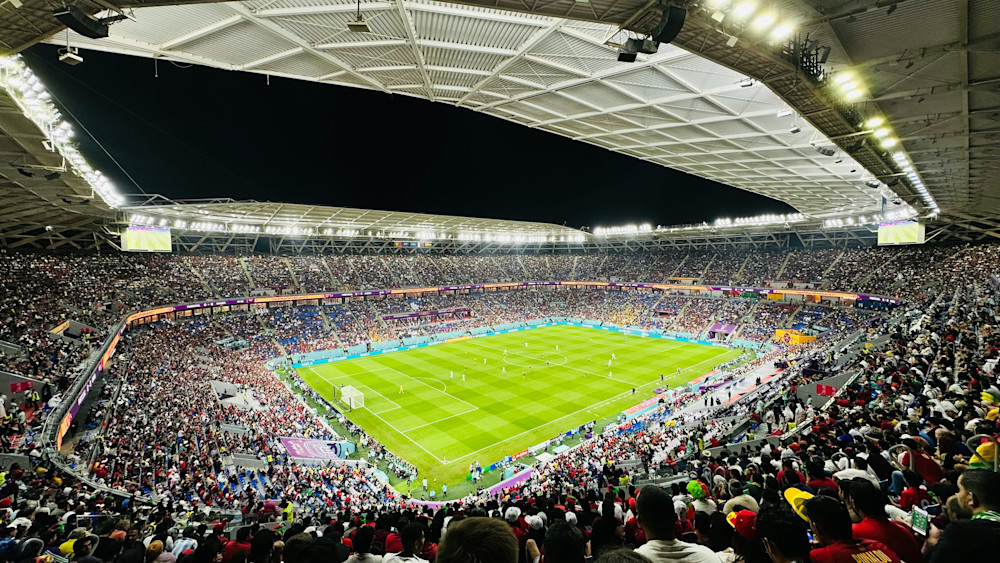
Attending the World Cup 2026 is a bucket-list experience, but the costs can add up quickly. Tickets are only one part of the budget, with flights, hotels, local transportation, meals, souvenirs and last-minute changes also playing a potential role.
The good news is that smart planning can bring the total cost down significantly without sacrificing the experience. You don't need to choose between being there and being responsible with your money.
Here's how to approach each major expense category to get the most out of the 2026 World Cup on a realistic budget.
How to save on World Cup 2026 tickets
Ticket prices vary enormously depending on the round, the matchup, the venue and the seating section. Group stage games are typically the most affordable entry point, with prices well below what you'd pay for knockout rounds or the Final at MetLife Stadium.
Within the group stage, matchups between smaller nations tend to cost less than games involving traditional powerhouses like Brazil, Argentina, or the host nations. If your priority is being inside a World Cup stadium rather than seeing a specific team, shopping by price rather than matchup opens up a lot of options.
The practical play is to compare several matches before you commit. Look at different dates in the same city, nearby host cities and multiple seating areas. Upper-level seats, corners and end-line sections can still put you inside a stadium with tens of thousands of fans, while often costing less than premium midfield locations.
On SeatGeek, the Deal Score rates every listing based on price relative to seat quality and market conditions. It offers a quick way to identify where the best value lies without manually comparing dozens of options. Setting up price alerts for specific matches lets you track the market passively and buy when prices dip.
How to save on World Cup 2026 travel between host cities
The 2026 World Cup, hosted across the USA, Canada and Mexico, is organized into three regional clusters — Western, Central and Eastern — to help minimize travel. That structure is useful for fans, too. If you build your trip around one cluster instead of chasing matches across the full tournament map, you can cut down on flights, hotel changes and expensive travel days.
Western: Vancouver, Seattle, San Francisco Bay Area, Los Angeles
Central: Guadalajara, Mexico City, Monterrey, Houston, Dallas, Kansas City
Eastern: Atlanta, Miami, Toronto, Boston, Philadelphia, New York/New Jersey
Some city pairs are much easier to combine than others. Philadelphia and New York/New Jersey, Dallas and Houston, and Seattle and Vancouver are more manageable than cross-country jumps. Before you buy a ticket in another city, price out the full move: transportation, lodging, meals, baggage fees and the time you lose in transit. A cheaper match ticket may not actually save money if getting there adds another expensive travel day.
If you do need to fly between host cities, start tracking fares early and stay flexible on dates. Midweek flights are often cheaper than weekend flights, and nearby airports may offer better options than the most obvious route. Fare alerts on Google Flights or similar tools can help you spot lower prices before demand rises.
For fans traveling to Canada or Mexico, check your passport and travel documents well in advance. Border crossings can add time and complexity, and last-minute passport issues can turn a budget trip into an expensive scramble.
How to save on World Cup 2026 accommodation
Hotel prices in host cities are likely to rise during the World Cup, especially near stadiums, downtown areas and major fan events. Booking early is one of the best ways to control costs, but the real savings often come from choosing the right neighborhood.
Instead of searching only for hotels next to the stadium, look for places with an easy transit route to the venue. A hotel that is 20 or 30 minutes away by train or bus can be much cheaper than one within walking distance, while still keeping match day simple. This is especially useful in cities with strong public transit, such as New York/New Jersey, Philadelphia, Toronto and Mexico City.
If you are traveling with family or friends, compare hotels against short-term rentals. A multi-bedroom rental may cost less than booking several hotel rooms, especially if it includes a kitchen that helps you save on meals. Budget travelers can also look at hostels in cities where they are widely available, particularly in Mexico City, Guadalajara and Monterrey.
Cancellation policies matter, too. World Cup plans can change as ticket availability, matchups and travel prices shift, so refundable rates give you more flexibility. If you find a reasonable refundable room early, book it as a backup and keep checking prices as your trip gets closer.
How to save on food and daily expenses for World Cup 2026
Food, drinks and transportation can add up quickly during a World Cup trip, especially on match days when convenience is tempting. The easiest way to keep spending under control is to make a plan before you leave for the stadium.
Eat a full meal before the match so stadium food becomes optional instead of necessary. Many host cities have great casual food options near stadium routes, from taco stands and markets to food trucks and neighborhood restaurants. Planning that stop ahead of time can help you save money while also giving you a better taste of the host city.
Fan events are another place where small purchases can add up. Food and drink vendors are part of the experience, but prices may be higher around major events. Check each venue’s rules before you go, and bring a refillable water bottle or sealed snacks where permitted.
For the rest of the trip, mix restaurants with lower-cost basics. Hotel breakfasts, grocery-store snacks, local markets, bakeries and casual meals can stretch your budget further than eating out for every meal. This is especially helpful in more expensive host cities, where saving on everyday meals can leave more room in the budget for tickets, transportation or one memorable dinner.
Use free and low-cost World Cup 2026 experiences to your advantage
You do not need a match ticket to be part of the World Cup. FIFA Fan Festivals and official fan zones are designed to give fans a free or low-cost way to experience the tournament beyond the stadium, with live match broadcasts, music, cultural programming, food vendors and interactive activities.
That makes them one of the easiest ways to stretch your budget. Instead of buying tickets for multiple matches, consider choosing one stadium experience and using Fan Festivals or public viewing areas for the rest of your trip. You still get the energy of watching with fans from around the world, without paying for another seat inside the venue.
Host-city details can vary, so check the local schedule before you go. Some Fan Festivals may require advance registration, timed entry or have paid food, drink or premium experiences, even when general admission is free.
Independent watch parties can also be part of the experience. Bars, restaurants, parks and public spaces in host cities are likely to draw fans on match days, especially when major teams are playing. These gatherings can be cheaper than another ticket and still deliver the international atmosphere that makes the World Cup special.
For families, free fan events are especially valuable. Instead of buying tickets for everyone to multiple matches, you can attend one game in person and use Fan Festivals, sightseeing and watch parties to round out the trip.
Use SeatGeek to stretch your World Cup 2026 ticket budget
SeatGeek can help you make smarter ticket decisions before you commit to a World Cup 2026 trip. Instead of looking at one match or one seating section, you can compare prices across different games, venues and seat locations to see where your budget goes furthest.
Interactive seat maps make it easier to understand the tradeoff between price and view. You can see how much you might save by moving a few rows back, shifting sections or choosing a different part of the stadium. Deal Score also highlights listings that offer strong value based on price, seat quality and market conditions, so you do not have to compare every option manually.
SeatGeek also shows the all-in price upfront, which makes it easier to budget accurately and avoid surprises at checkout. For a trip with flights, hotels, food and transportation already in the mix, knowing the real ticket cost before you buy matters.
The World Cup doesn't have to be an all-or-nothing expense. With the right approach to tickets, travel, and daily spending, you can be part of a historic tournament without overextending.
📁 Categories: World Cup
🏷️ Tags: MetLife Stadium, Vancouver, Seattle, Dallas, San Francisco, Los Angeles, Houston, Kansas City, Philadelphia, Boston, Miami, New York City, New Jersey, World Cup 2026