May 28, 2026
·Emily Kho
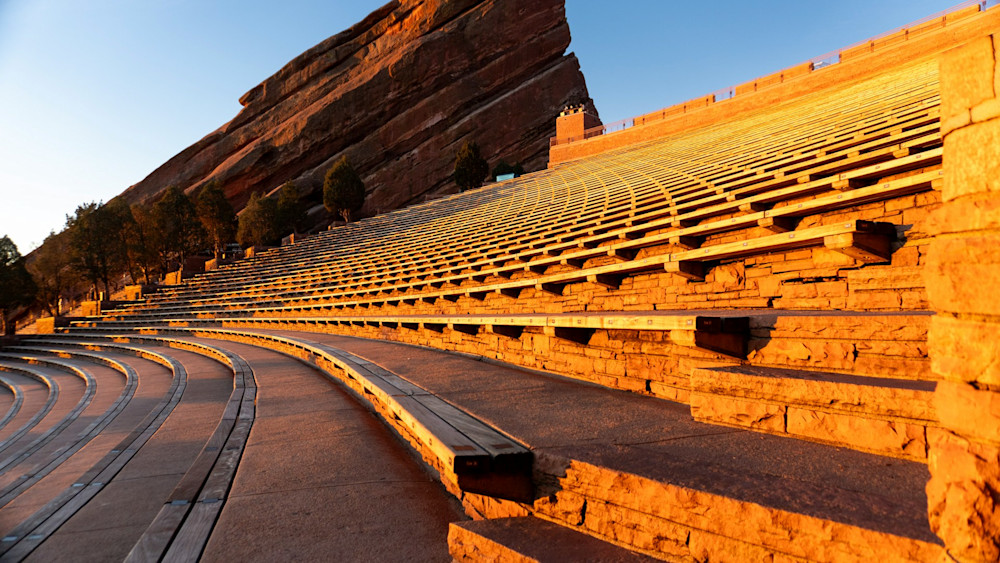
Amphitheater concerts are one of the best experiences in live music. The open air, the sunset backdrop, the mix of reserved seating and lawn space. It all creates an atmosphere that indoor arenas can't replicate. But the seating options at an amphitheater are more varied than most venues, and where you end up can dramatically change your night.
Best seats at amphitheater concerts:
The main decision at most amphitheaters comes down to three zones: the covered pavilion, the uncovered reserved sections, and the general-admission lawn. Each offers a fundamentally different experience in terms of view, comfort, price, and vibe.
Here's how to choose the right one for you.
Pavilion seats: the premium experience
The pavilion is the covered, reserved-seating section closest to the stage. These seats offer the clearest sightlines, the best sound quality, and protection from weather. Rain or shine, you're watching the show from a comfortable, predictable spot.
Within the pavilion, the front-center sections are the most coveted. You're close enough to see the artist's expressions and feel the energy of the stage, with a direct line of sight that doesn't require craning your neck. Rows 10 through 25 in center-pavilion sections are often considered the sweet spot. They’re close, but elevated enough to see the full stage setup.
Side-pavilion sections are worth considering as a value play. The angle shifts, but you're still under the roof with a reserved seat, and the price can be noticeably lower than dead center. For artists with wide stage designs or screens on both sides, the viewing difference between center and side pavilion is minimal.
One thing to watch for in the pavilion: support columns. Some older amphitheaters have structural posts that partially obstruct views from certain seats. Checking the venue's seating chart or reading fan reviews on the specific section you're considering can save you from an unpleasant surprise.
Listings on SeatGeek will typically note if a seat has an obstructed or limited view.
Uncovered reserved sections: a middle ground
Some amphitheaters have reserved seating that extends beyond the covered pavilion into open-air sections. These seats give you an assigned spot without the pavilion price tag, and on a clear night, being outside under the sky can actually enhance the experience.
The trade-off is weather exposure. A sudden rainstorm can turn a pleasant night into an uncomfortable one quickly. If you're buying uncovered reserved seats, check the forecast before the show and bring a poncho just in case. Most amphitheaters don't allow umbrellas since they block views for other fans.
Sound quality in these sections is typically good but may lose some of the clarity you'd get under the pavilion's roof, which acts as a natural sound reflector. For shows where the music is more about energy than audio precision (like rock, EDM, country festivals) this section delivers a strong experience at a reasonable price.
Lawn seats: the social experience
The lawn is the most affordable option at any amphitheater, and for many fans, it's the preferred way to see a show. You bring a blanket, claim your spot, and enjoy the concert in a relaxed, open-air setting with room to move around, dance, or lie back and watch the sky.
The view from the lawn depends on how early you arrive. Getting there when gates open lets you stake out a spot near the front of the lawn with a clear sightline to the stage. Arriving later means you're further back, potentially behind a hill or at an angle where the stage is harder to see. At most amphitheaters, the lawn slopes upward, which helps sightlines, but not enough to overcome a late arrival on a packed night.
The lawn is at its best for shows where the experience is more about the atmosphere than the sightline. Country concerts, jam bands, summer festivals, and casual weekend shows are ideal for lawn seating. If you're going specifically to see the artist up close and follow the performance closely, the lawn may leave you wanting more.
For popular shows, the lawn can fill up quickly. Arriving at gate time and heading straight to the lawn gives you the best selection. Some venues also offer "lawn upgrade" options that give you early entry or a designated premium lawn area closer to the stage, worth checking if they're available for your show.
Sound on the lawn is the biggest variable. You're further from the stage speakers and outside any acoustic structure. The audio can feel thinner and less defined, especially at venues without strong rear speaker arrays.
Some fans bring small earplugs designed for concerts (not for blocking sound, but for evening out the mix), which can actually improve the listening experience in open-air settings.
What to bring for lawn seating
If you're going the lawn route, a little preparation goes a long way. A small blanket or compact chair (if the venue allows chairs), a light jacket, and a water bottle are the essentials. Most amphitheaters have clear bag policies, so check the venue's rules before packing.
Comfortable shoes are important. Remember, you'll be walking across grass, possibly on a slope, and standing for extended stretches. Sunscreen matters for evening shows that start before sunset.
And if you're in a group, arrive together. Saving spots on a packed lawn is difficult and sometimes not permitted.
How the artist affects where you should sit at an amphitheater concert
Not every show calls for the same seating strategy. A singer-songwriter performing with a stripped-down band benefits from pavilion proximity, where you can hear the subtlety of the performance. A high-energy rock or pop act with a massive light show might be just as enjoyable, or more so, from the lawn, where you can see the full stage production against the night sky.
EDM and electronic shows at amphitheaters often turn the lawn into the main event. The DJ faces the entire crowd, the bass carries through the open air, and the lawn becomes a dance floor. For these shows, being on the lawn can actually be the better experience.
How SeatGeek helps you choose the best seats at an amphitheater concert
SeatGeek lists pavilion, reserved, and lawn options for amphitheater shows, so you can compare all three in one place. The Deal Score rates each listing's value, helping you decide whether the premium for pavilion seats is justified or whether lawn tickets at a fraction of the price are the better call.
The interactive seat maps show you the layout of each amphitheater, including which sections are covered versus open-air. And with price alerts, you can track shows and buy when prices drop. SeatGeek shows you the total price with no hidden fees, and every ticket is backed by the Buyer Guarantee.
Find amphitheater concert tickets on SeatGeek
Summer amphitheater season is packed with shows worth seeing, from headlining tours to local favorites playing sunset sets.
Browse concert tickets on SeatGeek to explore upcoming shows at amphitheaters near you, compare pavilion and lawn pricing, and lock in the experience that fits your style.
📁 Categories: Concerts