Dec 12, 2025
·Emily Kho
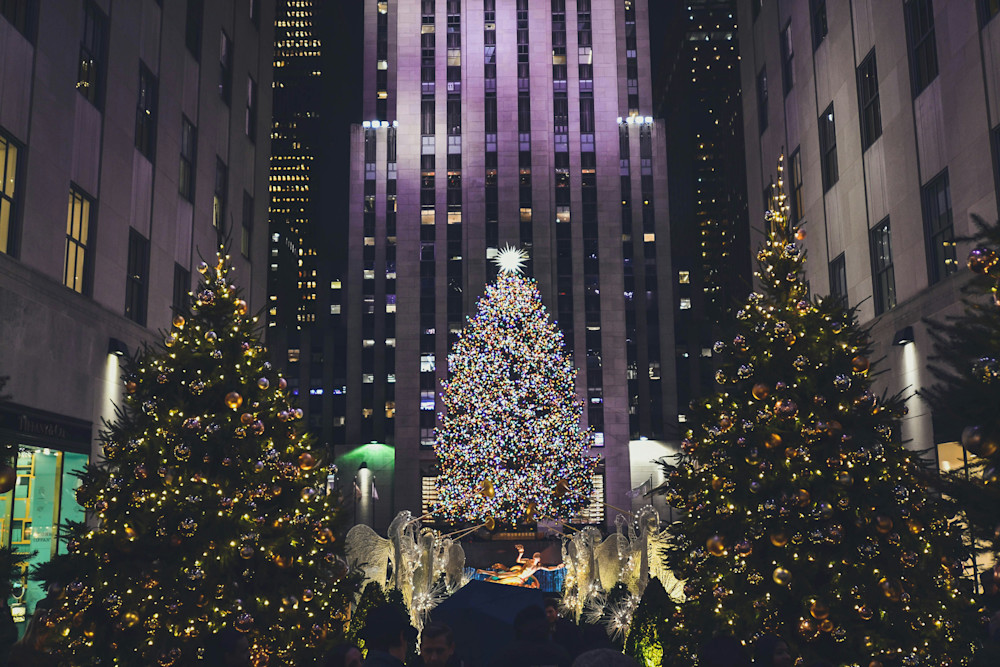
Winter is one of the most underrated seasons for live entertainment. Stadium games, outdoor concerts, New Year’s celebrations, holiday festivals, and cold-weather community events all create unforgettable experiences filled with energy and atmosphere you don’t get in warmer months.
Snowflakes drifting under stadium lights, bundled-up crowds cheering in unison, and music echoing through icy air all add to the magic. But planning for winter events takes a little more strategy.
Whether you’re gearing up for an NFL game in Buffalo, a college hockey outdoor classic, a mountain-top concert at an alpine resort, or a holiday festival at your local fairgrounds, being prepared can make the difference between an incredible night and one cut short by the cold.
Key Tips for Making Your Cold Weather Event an Enjoyable Experience
Here are the best tips for getting the most out of winter outdoor events, staying comfortable, and making memories that last long after the snow melts.
Dress for the Weather in Layers
Winter outdoor events often last longer than people expect. Add in walking from parking lots, time spent in security lines, and breaks between periods or performances, and you may be outside for several hours.
The key is dressing in layers that trap heat but can also adjust if temperatures shift.
The most reliable approach includes:
A moisture-wicking base layer to keep sweat off your skin
An insulated middle layer like fleece or down
A windproof, waterproof outer shell to block cold gusts and snow
Venues such as Empower Field at Mile High, Highmark Stadium, and Rice-Eccles Stadium are known for cold conditions that change rapidly as the night goes on. Proper layering keeps you warm without feeling bulky or overheated.
Protect Your Extremities, Especially Hands, Feet and Ears
Even if your torso feels warm, uncovered extremities can ruin your night.
Pack:
Thermal gloves or mittens
A thick beanie or ear-covering headband
Wool socks
Hand warmers and toe warmers
If you're attending an event with metal bleachers (common at college stadiums, rodeo arenas, and outdoor racetracks), bring a seat cushion or insulated pad. Metal seats pull heat away from your body much faster than you expect.
Choose Footwear That Can Handle Snow and Standing
When walking through icy lots or muddy festival grounds, footwear is everything. Athletic sneakers that work in summer events often fail badly in winter.
Look for:
Waterproof boots
Treaded soles for slick surfaces
Insulation without bulk
Room for thick socks
Venues with sloped walkways (like the Minnesota State Fairgrounds, or Red Rocks Amphitheatre in winter mode) can get slippery after sundown. Good boots reduce the chance of slipping, soaking your socks, or ending up uncomfortable before the event even begins.
Bring the Right Accessories for a Chilly Event
Winter outdoor events reward people who think ahead.
In addition to warm gear, consider bringing:
A power bank (cold drains batteries faster)
Lip balm
Sunscreen for daytime events (snow reflection is strong)
A scarf or gaiter to cover your face from the wind
A reusable insulated bottle for hot drinks
Some venues allow blankets, which dramatically increase your warmth. Check the venue’s bag and item policies before arriving.
Know the Venue Layout Before You Go
Not all seats are equal in winter. Some sections block the wind completely, while others sit directly in the path of cold currents.
For example:
Lambeau Field has bowl sections that trap wind differently depending on height
Huntington Bank Stadium (for outdoor hockey games) has exposed corners that feel significantly colder
BC Place's outdoor configurations place certain rows closer to open airflow
Understanding where you’ll sit helps you dress appropriately and anticipate comfort levels. This is where a good seating map becomes invaluable. More on that later.
Arrive Earlier Than Usual
Security lines move more slowly in winter because guests wear thicker clothing, carry extra items, and often need to remove or adjust gear. Parking lots also become harder to navigate during snow or ice.
Arriving early helps you avoid:
Hurrying in icy conditions
Missing warm-up performances or introductions
Getting stuck behind long bag-check lines
It also gives you time to find warm spaces if the venue offers heated lounges, indoor concourses, or temporary warming tents common at large winter festivals.
Bring Something Warm to Drink
Hot chocolate, tea, cider, or even warm water can raise your core temperature and keep you comfortable when sitting still for long stretches.
Hydration still matters in winter, especially at higher-altitude venues like Snowmass’ concert bowl or the Tahoe area’s winter festivals.
Some venues allow you to bring empty insulated bottles to fill once inside. Others sell hot drinks at stands near entrances, which is helpful before seats get chilly.
Plan for Weather Variability
While most winter outdoor events proceed as planned, delays are more common this time of year. Sporting events may push their start time, concerts can modify stage setups, and festivals may pause temporarily for safety.
If weather becomes severe, venues sometimes:
Limit certain seating areas
Change entry points
Adjust pyrotechnics or lighting rigs
Postpone to a later date
Checking updates the night before and morning of the event can help you prepare and adjust your timing.
Travel Safely and Expect Slower Departures
Even after the event ends, winter conditions can affect your exit. Snow-covered lots, icy pedestrian walkways, and traffic backups are common. Taking a few extra minutes inside to let crowds thin out can actually keep you warmer and safer.
If using rideshare, note that winter pick-up zones are often consolidated to reduce congestion. Some venues, especially ski resorts hosting winter concerts, use shuttle systems that can back up when freezing temperatures slow loading.
Keep Kids Warm and Energized
If you're bringing children, consider:
Dressing them in snow pants
Bringing extra mittens (kids lose them constantly)
Packing simple snacks
Choosing aisle seats in case you need to take breaks
Shorter events like outdoor holiday markets or minor league hockey outdoor games can be easier for families than multi-hour concerts if temperatures are extreme.
Check Venue Rules Before Packing
While many venues allow blankets or seat pads, others restrict items due to security or space limitations. Some allow sealed water bottles while others require empty ones. Portable propane heaters are usually prohibited, and umbrellas may not be allowed in windy conditions.
Because winter gear can be bulky, knowing the rules helps you avoid delays and avoid having to discard something at the gate.
How to Use SeatGeek to Prepare for Winter Outdoor Events
Winter outdoor events require different planning than indoor ones, and SeatGeek can help you prepare long before you step into the cold.
Understand How Weather Impacts Seating
SeatGeek’s event pages often include real fan photos and seat insights that help you see:
Which sections are fully exposed
Which corners trap wind
Which rows sit under partial overhangs
How far the walkways are from warm indoor areas
For outdoor hockey games or winter football matchups, this is incredibly valuable because even a small shift in seating position can change your comfort level dramatically.
Compare Events by Temperature and Location
Many winter events take place in regions known for intense cold, while others are much milder.
SeatGeek makes it easy to compare options in multiple cities so you can choose:
A warmer climate if you're traveling
A stadium known for better wind protection
A venue with easy indoor access
This helps you gift or plan winter outings that feel tailored instead of generic.
Evaluate Value Based on Comfort, Not Just Price
Deal Score is helpful, but winter brings an additional layer: comfort value.
SeatGeek’s layout tools let you consider how far your seats are from:
Concourses
Indoor concessions
Family rest areas
For families, this matters just as much as distance from the stage or field.
Be Prepared for Your Next Unforgettable Winter Event
The key to enjoying winter outdoor events is planning smartly, dressing warm, and choosing seats and venues that set you up for comfort and excitement.
Whether you’re cheering on your favorite team, dancing at a mountain concert, or exploring a glowing winter festival, a little preparation goes a long way.
Start browsing winter outdoor events on SeatGeek and plan a cold-weather outing you’ll remember long after the season ends.