Oct 12, 2026
·Mary Callahan
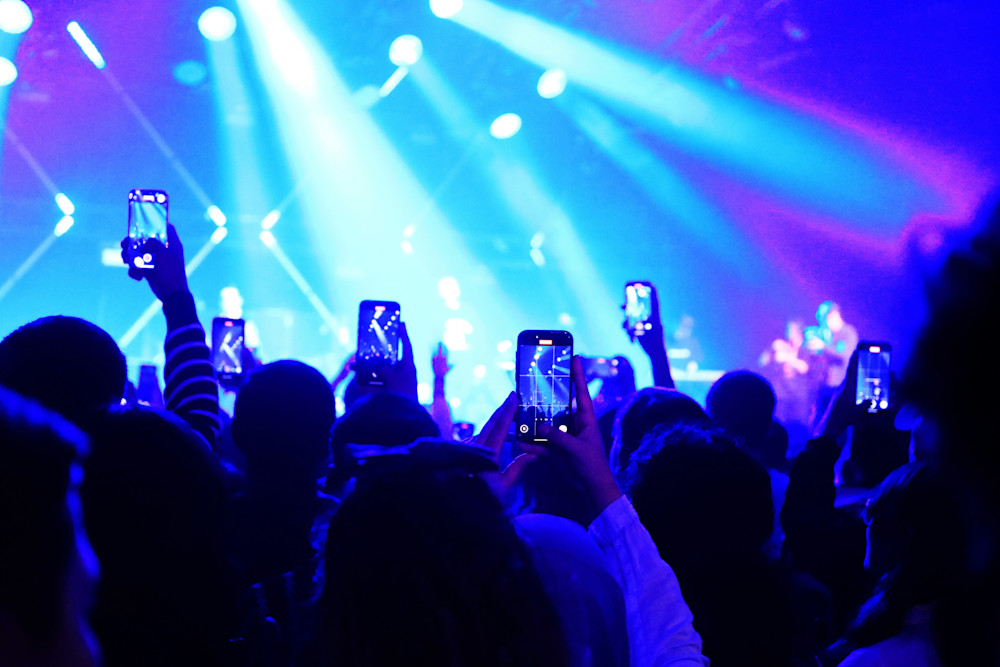
Imagine walking into a sold-out concert and not seeing a single phone in the air. No glowing screens blocking the stage. No one filming an entire song. No notifications interrupting the performance.
Just the artist, the audience and the live experience.
That is the idea behind phone-free concerts and comedy shows, a format used at select performances by artists and comedians including Dave Chappelle, Kevin Hart, Bob Dylan and Phoebe Bridgers.
For fans attending a phone-free event for the first time, the policy can raise plenty of questions. Do you have to surrender your phone? How do you access mobile tickets? What happens if you need to make a call? And does putting your phone away actually make a concert or comedy show better?
Here is what to know about phone-free live events, including how Yondr pouches work, why performers use them and what fans should do before arriving.
What is a phone-free concert or comedy show?
A phone-free concert or comedy show is an event where phones and other recording devices cannot be used inside the performance area.
Unlike a traditional show, where fans might take photos, record videos or check messages between songs, phone-free events require attendees to keep their devices inaccessible throughout the performance.
The goal is to reduce distractions and keep the audience focused on what is happening onstage. For comedians, the policy can also help protect new material, surprise appearances and jokes that are still being developed. For musicians, it can create a room where fans are watching the performance instead of watching it through a screen.
A phone-free policy does not necessarily mean you have to leave your phone at home. Most events using this format allow fans to keep their devices with them inside a special locking pouch.
One of the most common systems is Yondr, which provides lockable phone pouches for live entertainment, schools and other phone-free spaces.
How do Yondr pouches work?
Yondr pouches are small, lockable cases that prevent fans from accessing their phones during a performance. Unlike a phone check-in service, the system allows you to keep your device with you throughout the event.
The process generally works like this:
Arrive and present your ticket. Complete ticket scanning and any required security screening. The exact order can vary by venue.
Place your phone in a pouch. Event staff provide a Yondr pouch and help secure your phone inside.
Keep the locked pouch with you. You can carry it into the performance area, but you cannot use your phone while it is locked.
Visit a designated Phone Use Area if needed. Staff can unlock the pouch in approved areas, usually outside the main performance space.
Have the pouch unlocked when you leave. Yondr staff are typically stationed near exits so you can retrieve your phone after the show.
According to Yondr’s FAQ, fans maintain possession of their phones throughout the event. Guests can access their devices in designated Phone Use Areas, but they must secure them again before returning to the performance area.
Does Yondr damage your phone?
Yondr pouches do not damage phones. Your phone remains in your possession during the event, and the pouch is unlocked by staff or at an approved unlocking station.
If you have a medical device that could be affected by magnets, check the event’s policy in advance. Yondr’s unlocking systems may use magnets, and the company recommends consulting a medical professional or the device manufacturer for guidance.
Are smartwatches and cameras allowed?
Many phone-free events restrict more than smartphones.
Depending on the performance, the policy may also cover:
Smartwatches
Cameras
Tablets
Laptops
Bluetooth headphones
Smart glasses
Other recording devices
For example, Phoebe Bridgers’ 2026 performances at Barclays Center included restrictions on phones, smartwatches, tablets, laptops, Bluetooth headphones, Meta smart glasses and recording equipment.
Policies vary by artist, venue and date, so do not assume that one phone-free event will follow the same rules as another. Review the instructions attached to your ticket and check the venue’s website before arriving.
Which artists and comedians use phone-free policies?
Phone-free shows are especially common in stand-up comedy, where performers may be testing unreleased material. Musicians and theatrical productions have also used Yondr pouches or similar restrictions.
The artists below have used phone-free policies at specific verified events. These should not be treated as permanent rules for every future performance.
Dave Chappelle
Dave Chappelle is one of the most recognizable comedians associated with phone-free performances. Known for his provocative storytelling, social commentary and unpredictable stand-up sets, Chappelle has embraced Yondr pouches to prevent unauthorized recordings and protect material that may eventually appear in comedy specials.
His 2026 "Karmageddon" shows continue that approach, with strict restrictions on phones, smartwatches, cameras, smart glasses and other recording devices. At venues including Madison Square Garden, attendees must secure their devices in locked Yondr pouches, although designated areas are available for phone use. Some venues even encourage fans to leave their phones at home or in their cars. Anyone caught using a prohibited device during the performance risks being removed from the venue.
Kevin Hart
Kevin Hart has brought his high-energy stand-up comedy to theaters and arenas around the world, often incorporating personal stories, family experiences and observations about everyday life. His "Acting My Age" tour adopted a strict phone-free policy designed to keep the audience focused and prevent jokes from being recorded or shared without permission.
Hart partnered with Yondr to restrict phones, smartwatches, cameras and recording accessories during performances. Fans were required to lock their devices in individual pouches upon arrival, with access available only in designated phone-use areas. Venues also warned that anyone caught using a prohibited device during the show would be escorted out.
Bill Burr
Bill Burr is known for his sharp observational humor, outspoken delivery and willingness to tackle controversial subjects. With a comedy style built around extended stories, unexpected punchlines and audience reactions, his live performances benefit from an environment where material isn't immediately recorded and circulated online.
Burr has used Yondr pouches at select performances and fans were required to secure phones, smartwatches and related accessories before entering the performance area. Attendees could keep their devices with them and visit designated unlocking stations when necessary, but using a prohibited device during the show could result in removal.
Phoebe Bridgers
Phoebe Bridgers is known for her emotionally detailed songwriting, intimate vocals and atmospheric indie-rock performances. Her 2026 "The Lost Tour" brought her back to major stages with new music and a phone-free policy intended to create a more immersive concert experience.
At her September 2026 performances at Barclays Center in Brooklyn, attendees were required to secure phones, smartwatches and other electronic devices in Yondr pouches. Restrictions also covered cameras, tablets, Bluetooth-enabled headphones and smart glasses. Fans were advised to bring physical payment cards because mobile payment options would be inaccessible during the show. The policy encouraged audiences to focus on Bridgers' performance and the music rather than capturing videos for social media.
Here's a firsthand look at what to expect at Phoebe Bridgers' "The Lost Tour."
Bob Dylan
Bob Dylan has spent decades challenging expectations about what a live concert should look and sound like. Known for rearranging familiar songs, changing vocal phrasing and delivering performances that can differ considerably from their studio recordings, Dylan has made phone-free concerts a recurring feature of his live shows.
His 2026 "Rough and Rowdy Ways Tour" continued using Yondr pouches, with venues prohibiting phones, cameras and recording devices inside the performance area. At some stops, fans with mobile tickets were instructed to obtain paper seating slips before their phones were locked. Dylan's upcoming November 2026 performances in Vienna also require Yondr pouches, reinforcing the tour's emphasis on experiencing the music without screens or interruptions.
Jack White
Jack White, the former White Stripes frontman and acclaimed solo guitarist, has been one of the music industry's most vocal supporters of phone-free concerts. Known for his energetic guitar playing, spontaneous performances and stripped-down rock sound, White believes audiences engage more deeply with live music when they aren't distracted by screens.
White has used Yondr pouches to restrict phones and recording devices at his concerts, allowing fans to keep their devices secured throughout the performance. He has also spoken publicly about the noticeable difference in audience engagement, explaining that phone-free crowds appear more attentive and connected to the music. For fans, the policy means fewer illuminated screens, unobstructed views and a show that feels less like a recording session and more like a shared live experience.
Gary Clark Jr.
Gary Clark Jr. blends blues, rock, soul and R&B into guitar-driven performances that frequently feature extended solos and improvisation. His live shows emphasize musicianship and the connection between performer and audience, making the phone-free format a natural fit for his style.
His October 26, 2026 performance at the Orpheum Theatre in Los Angeles is officially designated as a Yondr phone-free concert. Attendees must secure their phones in locked pouches before entering the performance area, although they can access their devices at designated unlocking stations. The venue also encourages fans to bring physical credit cards for purchases and warns that anyone caught using a prohibited recording device during the performance will be escorted out.
Are Broadway shows phone-free?
Phone-free policies are not limited to concerts and comedy shows. Some Broadway productions have also used Yondr pouches to prevent recording and minimize distractions.
The 2025 revival of Othello, starring Denzel Washington and Jake Gyllenhaal, required audiences to secure phones during performances. Similarly, the 2022 revival of Take Me Out, starring Jesse Williams and Jesse Tyler Ferguson, used Yondr pouches to prevent photography during scenes featuring nudity. Bess Wohl's Liberation, which played Broadway through February 2026, also implemented a phone-free policy to protect its performers.
Other productions have used the technology for creative reasons. Lin-Manuel Miranda's improvisational musical Freestyle Love Supreme adopted Yondr pouches during its original 2019 Broadway run to keep audiences engaged with its spontaneous, interactive performances.
While most Broadway shows prohibit photography and recording, requiring audiences to lock their phones away remains less common. Fans should check each production's specific policies before attending.
Why do artists ban phones at live performances?
Performers use phone-free policies for different reasons, but the motivations tend to fall into a few broad categories.
Protecting comedy material
For comedians, a no-phone policy can help protect jokes before they appear in a televised or streaming special.
Stand-up performers often develop material over several shows, testing punchlines, adjusting delivery and responding to audience reactions. If unfinished material is recorded and posted online, it can circulate without the context of the full performance.
Phone restrictions give comedians more control over when and how audiences first encounter new material. They can also make it easier to include surprise guests or unexpected moments without immediately seeing them online.
Helping fans stay in the moment
At concerts, the absence of phones can change the atmosphere of the room.
Instead of looking through a sea of raised screens, fans have a clearer view of the stage. They may also be more likely to sing, dance and react to the performance without spending the night deciding whether to record it.
For artists, that can create a more direct connection with the audience. The crowd is still participating, but the interaction is less mediated by cameras and notifications.
Making the performance feel exclusive
A surprise guest, unreleased song or unexpected interaction may never appear online. Fans experience the moment together, knowing they may not be able to replay it later.
That exclusivity can make a live performance feel distinct from content that is available on demand. It also gives performers more freedom to create moments that are meant for the room rather than the internet.
Do fans enjoy phone-free concerts?
The experience is subjective. Some fans appreciate the break from screens and the clearer view of the stage. Others miss taking photos, recording a favorite song or staying connected to people outside the venue.
Fan discussions about Yondr shows tend to highlight a few recurring themes.
Fewer screens can make the crowd feel more present
Fans have described phone-free shows as more social and immersive. Without hundreds of screens in the air, audience members may interact more in lines, pay closer attention to the performance and participate more actively in the music.
Fans at phone-free Gorillaz and Phoebe Bridgers shows have also described better sightlines, more dancing and stronger interactions between strangers.
Entry and exit can take longer
The most common practical complaint is not necessarily spending the show without a phone. It is the extra time required to secure devices at entry and unlock them afterward.
Fans have reported very different experiences. Some describe smooth entry and quick exits, while others say large crowds and limited staffing created long lines.
Those differences suggest that the process depends heavily on venue layout, crowd size, staffing and how the event organizes its pouch stations. Arriving early is the best way to reduce the risk of missing the opener or the start of the performance.
Not taking photos is a real tradeoff
Even fans who enjoy the atmosphere may miss documenting a favorite song or capturing a photo from an important night.
For some people, recording a short clip is part of how they preserve a concert memory. Others find that removing the choice makes the experience more enjoyable because they can focus entirely on what is happening in front of them.
There is no universal answer. A phone-free policy changes the experience, but whether it improves the show depends on what you value most.
What is it like to attend a concert without your phone?
SeatGeek’s Front Row coverage of a Phoebe Bridgers performance offers a firsthand look at the process.
During Bridgers’ September 2026 performance at Barclays Center, SeatGeek contributor Annmarie Gajdos experienced the phone-free process from entry through the end of the show. That included securing devices, navigating the arena and having the pouch unlocked after the performance.
The biggest difference was visual. Without thousands of illuminated screens, the stage lighting stood out more and the arena felt less fragmented. Fans did not have to decide whether to watch the performance or film it.
The experience also created a few practical challenges. Without a phone, it was harder to check the time, use mobile payments or coordinate with people outside the venue.
Read the full SeatGeek Front Row guide to Phoebe Bridgers’ phone-free concert experience.
What to know before attending a phone-free event
A little planning can make your first Yondr show much easier, especially if you are attending a large concert or comedy event.
Arrive early
Plan to arrive earlier than you normally would.
Phone-free performances may require additional ticket checks, security screening, device screening and pouch distribution before guests enter the performance area. At a large arena, those extra steps can create substantial lines.
Aim to arrive around the time doors open rather than shortly before the headliner or comedian takes the stage. Check your event listing for the official door time and any venue-specific arrival instructions.
Confirm how mobile tickets work
Most venues that use mobile ticketing allow guests to scan their tickets before their phones are secured.
Some events provide printed seating slips after entry so guests can find their section, row and seat without reopening their phones. Other events may require a hard ticket, box office pickup or a different entry arrangement.
Do not rely on a screenshot unless the venue specifically says screenshots are accepted. Review the ticket instructions before arriving and contact the venue if you are unsure how to access your ticket.
Bring a physical payment method
A physical credit or debit card can be useful for concessions and merchandise because you may not be able to use mobile payment services once your phone is locked.
A traditional watch can also help if smartwatches are prohibited. If you are meeting friends, agree on a location before the show and arrange your transportation in advance.
FAQs about phone-free concerts, theater and comedy shows
Attending a phone-free concert, theater production or comedy show for the first time? From accessing mobile tickets and handling emergencies to understanding Yondr pouches and device restrictions, here's what to know before arriving at the venue.
Can you use your phone during a phone-free event?
Generally, you cannot use your phone inside the performance area. Most Yondr-equipped events provide designated Phone Use Areas where staff can unlock your pouch temporarily.
You must secure your phone again before returning to the performance space.
What happens if there is an emergency?
Yondr says venue staff and security have communication devices and are trained to follow the venue’s emergency procedures.
If you need immediate assistance, alert venue staff or security. If you need to make a call during the event, go to a designated Phone Use Area so staff can unlock your pouch.
Fans who rely on their phones for medical or accessibility purposes should contact the venue before the event to discuss available accommodations.
Can you bring an Apple Watch to a Yondr event?
Policies vary, but many phone-free events restrict smartwatches along with phones. Depending on the event, your smartwatch may need to be secured inside the Yondr pouch.
Check the event-specific device policy before arriving.
Can you take photos or videos at a phone-free show?
Generally, no. Phone-free events prohibit unauthorized photography and recording in the performance area.
Some performers and venues may share official photos or videos after the event. Attempting to use a prohibited device can result in removal from the venue, depending on the event’s rules.
What happens if you refuse to use a Yondr pouch?
At an event with a mandatory phone-free policy, refusing to secure your device can result in denied entry.
The exact rules and enforcement procedures depend on the performer and venue. Review the policy before purchasing tickets so you know what to expect.
Can you leave a phone-free event early?
Usually, yes. Staff can generally unlock your pouch at an authorized station if you leave before the performance ends.
Leaving the venue may affect your ability to re-enter, though. Check the event’s re-entry policy before exiting.
Do Yondr pouches damage phones?
According to Yondr, its pouches are designed to safely secure phones without damaging their screens, batteries or internal components. T
he pouches use a mechanical locking system that staff open with a designated unlocking device, so there's no need to physically alter or disconnect your phone. They also don't block cellular signals or Wi-Fi, meaning your phone can still receive calls, messages and notifications while locked inside.
Guests keep their devices with them throughout the event, and Yondr recommends using authorized unlocking stations rather than attempting to force a pouch open, which could damage the device.
Are phone-free events worth it?
That depends on what you want from a live event.
For some fans, going without a phone means uninterrupted music, a clearer view of the stage and less pressure to document every moment. For others, it means losing a convenient way to capture memories or coordinate with friends and family.
Either way, phone-free performances offer something increasingly uncommon: a live event that can only be fully experienced by the people in the room.
Not every concert needs to become a video. Not every unforgettable moment needs to end up online.
Whether you are planning to see Dave Chappelle, Bob Dylan, Phoebe Bridgers or another performer, SeatGeek makes it easy to explore upcoming concerts, comedy shows and live events. Check the event details, review the venue’s phone policy and get ready to experience the show in person.
📁 Categories: Concerts, Comedy, Broadway
🏷️ Tags: Dave Chappelle, Phoebe Bridgers, Bob Dylan, Kevin Hart