Oct 7, 2026
·Mary Callahan
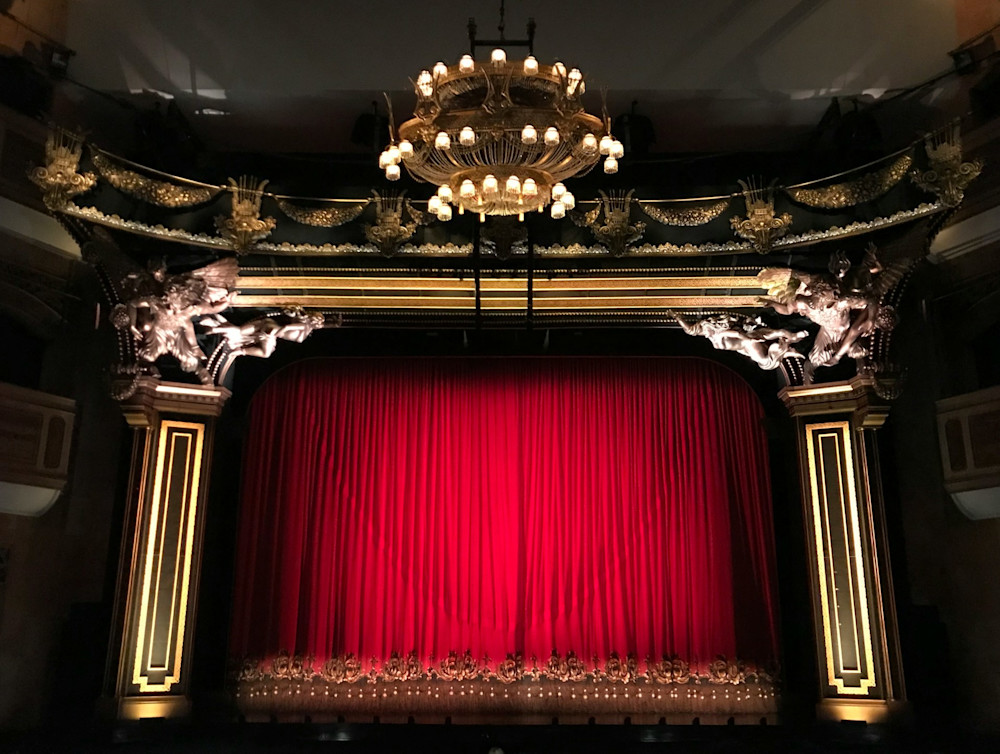
The Fillmore Detroit was built for a night at the movies, but these days the attraction is onstage. The former 1925 movie house still has its grand lobby and chandeliers, even when the crowd is there for a loud guitar band rather than a film.
Choosing tickets takes a little more thought than deciding how close you want to be. A concert can have a standing floor and seated sections upstairs, while another performance fills the floor with chairs. Tables and boxes add more options to the mix.
Whether you plan to spend the night singing with the crowd or watching from a seat, here’s how to find the right spot at The Fillmore.
How seating works at The Fillmore Detroit
The Fillmore can look very different from one event to the next, so the first thing to check is whether the Main Floor is general admission or seated.
For many concerts, the Main Floor is GA standing room, with several changes in elevation across the floor rather than one completely flat space. Those raised tiers and rails can create much better sightlines than you might expect from a standing-room ticket.
Above the floor, the Mezzanine is divided into four numbered sections, with Mezzanine 2 and 3 closest to the center. Some shows also offer Mezzanine table seating as a separate ticket type.
Along the sides near the Mezzanine are the venue’s box sections, labeled A through H. Those are distinct from regular Mezzanine seats and can give you a more private setup with a side angle toward the stage.
Higher up, the Loge has four sections, with Loge 2 and 3 in the middle. Behind that are the Lower Balcony and Upper Balcony, each divided into numbered sections with Section 3 closest to center.
The exact setup can change by show, especially on the Main Floor, so always use the seating map for your specific event before buying.
Comparing the best seats at The Fillmore Detroit
The best ticket depends on the kind of concert experience you want and which smaller details matter most to you.
What matters most | Where to look first | Also compare |
|---|---|---|
Getting as close as possible | Front GA | Raised GA rail |
Better GA sightline | Near-center raised rail | Front Mezzanine |
Best all-around reserved seat | Mezzanine 2 or 3 | Front Mezzanine 1 or 4 |
Close elevated view | Loge 2 or 3 | Mezzanine 2 or 3 |
More private setup | Boxes C or F | Boxes B or G |
Centered balcony view | Lower Balcony 3 | Lower Balcony 2 or 4 |
Lower-priced reserved seat | Upper Balcony 3 | Upper Balcony 2 or 4 |
Easier place to sit with a drink | Mezzanine table seating | Boxes or standard Mezzanine |
Best places to stand and sit at The Fillmore Detroit
The Fillmore’s layout creates very different experiences depending on where you end up. A spot that looks only a little farther back on the map can feel completely different once you factor in who’s standing in front of you, how high up you are and how directly you can see the stage.
GA Floor and raised tiers
For many concerts, the Main Floor is general admission, so where you end up matters almost as much as the ticket itself.
If being as close to the artist as possible is the priority, head toward the front. Just know that the crowd gets denser there, and your view can depend a lot on who ends up standing directly in front of you.
The more interesting option is the raised floor tiers. The Fillmore’s floor is not completely flat, and those changes in height create spots where you can stand above part of the crowd instead of looking through it.
For anyone who would rather have a stronger view than be a few feet closer, a near-center spot along one of those raised rails can be one of the best places to stand in the venue.
Those spots are still first come, first served, so arriving earlier gives you a better shot at getting the one you want.
Mezzanine
If you want a reserved seat without feeling too far removed from the floor, Mezzanine 2 and 3 are the first sections to check. They sit closest to the middle and give you a more direct look at the stage.
Start with Row A, then compare the next few rows before paying a big premium just to stay in the very front. The main appeal here is getting above the standing crowd while still feeling relatively close to the action.
Do not ignore Mezzanine 1 and 4 if the center sections are expensive. Front rows in those sections can still give you a strong view, especially for concerts that keep most of the action near center stage.
The Mezzanine is also a good option for fans who want to sit for most of the show without moving all the way back to the Loge or balcony.
Mezzanine boxes
The box sections sit along the sides near the Mezzanine and are worth treating as their own option rather than lumping them in with standard reserved seating.
If you are considering a box, start with Boxes C and F. They sit closer to the middle of the room than the boxes farther toward the edges and give you the best chance at balancing a more private setup with a good stage angle.
Boxes B and G are the next ones to compare if C and F are unavailable or much more expensive.
The tradeoff is that these are still side views. If seeing the stage as straight on as possible matters most, Mezzanine 2 or 3 is the better choice.
Some box tickets may also include premium or VIP-style amenities, but that is not guaranteed with every listing. Check exactly what is included before buying, especially on resale, rather than assuming a box ticket automatically comes with perks like priority entry or in-seat service.
Loge
If you want a reserved seat with a higher view over the floor, Loge 2 and 3 are the first sections to check. They sit closest to the center and give you a more direct look at the stage than Loge 1 or 4.
Start with Rows AA through CC, but do not assume the very first row is automatically the best buy. The Loge can still have strong views farther back, so compare later rows if the price drops enough.
The main thing to know here is comfort. Legroom comes up repeatedly as a concern throughout the Loge, including in the front row, so taller fans should pay close attention to the exact seat before buying.
Lower and Upper Balcony
If you want a traditional reserved seat farther from the floor, start with the Lower Balcony, especially Section 3. It is the most centered option, with Sections 2 and 4 worth comparing when the price drops enough to make moving slightly off center worthwhile.
The front rows of the Lower Balcony are the best place to begin. You are farther from the stage than in the Mezzanine or Loge, but the higher angle gives you a better look at the full production.
The Upper Balcony is the farthest reserved seating area, so the stage will feel noticeably smaller from there. Start with Upper Balcony 3, then compare Sections 2 and 4 if they offer better value.
One important detail is the row lettering: Upper Balcony starts at Row L, so a ticket in Row L is actually at the front of that section, not deep into the balcony.
If Lower and Upper Balcony tickets are close in price, lean Lower Balcony. Upper Balcony makes the most sense when the savings are meaningful enough to justify sitting farther back.
Best seats for concerts vs. comedy at The Fillmore Detroit
The type of show matters at The Fillmore. For a high-energy concert, being part of the crowd can be half the fun. For comedy or a show with a lot happening onstage, having a seat and a cleaner view can matter more.
Best seats for concerts
For rock, pop and other high-energy concerts, GA is the first place to look if you want to be in the middle of the action. Head toward the front if proximity matters most, or target one of the raised rails if you would rather get above more of the crowd.
If you want a reserved seat, start with Mezzanine 2 and 3. They keep you relatively close while giving you an elevated view over the floor.
For concerts with a lot of choreography, lighting or screen work, Loge 2 and 3 or the front of Lower Balcony 3 are also worth comparing. You give up some closeness, but it becomes easier to take in the whole production.
Best seats for comedy and spoken-word events
For comedy, lectures and similar shows, start with Mezzanine 2 and 3 if you want a centered, elevated view without sitting too far from the stage.
For events that use a seated Main Floor configuration, check Main Floor A Center as well. That can be the better choice when seeing facial expressions and smaller interactions matters more than having an elevated view.
Loge 2 and 3 are another strong option, especially when Mezzanine prices jump, but keep the tighter legroom in mind for a longer show.
Best seats for visually elaborate shows
For concerts or productions where the lights, screens or stage design are a big part of the experience, prioritize Mezzanine 2 and 3, Loge 2 and 3 or Lower Balcony 3.
The farther back you move, the more of the stage you can take in at once. The goal here is not simply getting as close as possible, but finding a spot where you can see everything the show is doing.
Best seats at The Fillmore Detroit for different types of fans
Your height, budget and willingness to stand can change which ticket makes the most sense at The Fillmore.
Best places for shorter fans
If seeing over the crowd is the priority, do not automatically aim for the front of GA.
A near-center raised rail can be a better target than standing several people deep on the lower floor. You stay in the GA crowd but gain enough height to see over more of the people in front of you.
For a reserved seat, start with Mezzanine 2 or 3, especially toward the front. Those sections give you elevation without pushing you much farther from the stage.
If you would rather not arrive early and compete for a particular GA position, paying for a reserved elevated seat gives you a much more predictable view.
Best seats for taller fans and fans prioritizing comfort
If legroom matters, do not assume Loge is automatically the best reserved upgrade. Limited knee space comes up often in that area, including near the front.
Start by comparing Mezzanine, table seating and the mezzanine-level boxes. An aisle can also make it easier to get in and out, although it does not guarantee more room in front of your knees.
GA eliminates fixed-seat legroom concerns entirely, but you trade that for standing most or all of the show.
For table seating, check the chair style and which direction the seat faces. Some setups are more comfortable for a long show than others.
Best seats for budget-conscious fans
For concerts, standard GA can be one of the best values in the building if you are willing to be strategic about where you stand. A good raised-rail position can give you a strong view without paying for a reserved elevated section.
If you want a guaranteed seat, start with Lower Balcony 3 and the front of Upper Balcony 3, then compare Sections 2 and 4 at similar distances. Moving a little off center can be a better deal than moving much farther back.
Also factor in any entry upgrade. GA plus Fast Lane can close the price gap with a reserved ticket faster than you might expect.
And remember that paying more for a GA ticket does not reserve a specific rail or tier. Your actual position still depends on when you arrive and what is open.
Accessible seating and avoiding stairs
The Fillmore does not have an elevator between seating levels, so accessibility is something to plan before you buy rather than after you arrive.
Accessible seating is available on the Main Floor, and the venue lists 313-961-5451 for accessibility questions and accommodations. The Woodward Avenue entrance is also accessible.
If stairs are difficult or not an option, do not buy a Mezzanine, Loge or balcony ticket expecting to be moved downstairs later. Day-of accommodations depend on availability, so it is better to arrange the appropriate ticket in advance.
How to find the best Fillmore Detroit tickets on SeatGeek
Before comparing prices, figure out what kind of ticket you are actually shopping for. At The Fillmore, GA, reserved seating, tables and boxes can all show up for the same event, and they offer very different experiences.
On the The Fillmore Detroit page, choose your show and open the interactive seating map. Check the full section name and row carefully, especially for Mezzanine tables, boxes and balcony tickets that may sit close together on the map but work very differently once you are inside.
For GA shows, use the map to understand where the standing floor sits in relation to the raised tiers and reserved sections. Your ticket gets you into the permitted GA area, but the exact spot you end up with still depends on when you arrive and what is open.
Deal Score can help when several ticket types are competing for your attention. It rates listings from 1 to 10 based on factors including price, seat location, expected view and historical pricing, giving you a quick way to see which options may offer stronger value. At The Fillmore, that might mean deciding whether a reserved Mezzanine seat is worth more than GA or whether moving farther back in the balcony actually saves enough to make sense.
SeatGeek’s All-In Pricing includes mandatory fees upfront, so you can compare those options using the displayed ticket price rather than waiting until checkout to see most of the added cost.
Once you find the ticket that matches the kind of night you want, complete your purchase. Eligible orders are covered by the SeatGeek Buyer Guarantee.
At The Fillmore, the best ticket is not always the one closest to the stage. It is the one that puts you where you actually want to spend the show.
📁 Categories: Concerts
🏷️ Tags: The Fillmore Detroit, Detroit