Aug 17, 2026
·Emily Kho
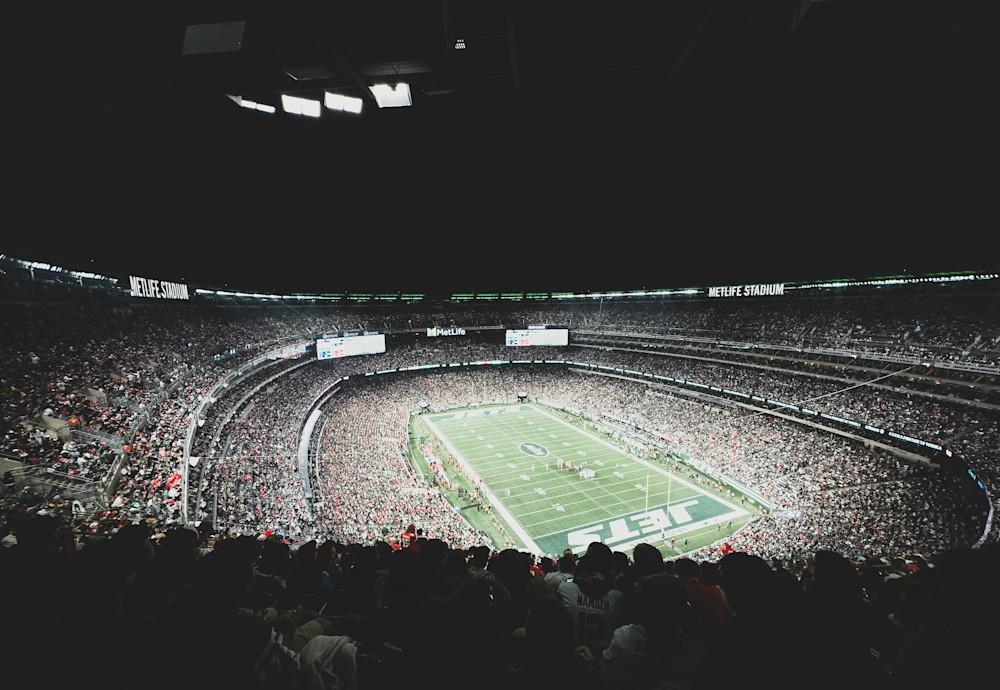
There’s nothing wrong with a little weather at an NFL game. Snow under the lights can be incredible, and even a cold Sunday can feel like part of the experience.
It gets a lot less fun when you spend four quarters getting soaked or realize your seat is baking in direct sun while the section behind you is comfortably shaded.
Where you sit can make a huge difference. A few rows can separate full exposure from an overhang, while some stadiums have canopies, retractable roofs or enclosed seating that change the equation completely.
Here’s how to find NFL seats that give you better protection from rain, snow and sun before you buy.
How NFL stadium design affects weather protection
At most outdoor NFL stadiums, weather protection comes down to the roof or canopy design and where your section sits underneath it.
Retractable-roof stadiums are the biggest variable. The NFL currently has five: AT&T Stadium in Dallas, Mercedes-Benz Stadium in Atlanta, NRG Stadium in Houston, State Farm Stadium in Arizona and Lucas Oil Stadium in Indianapolis. Whether the roof is open or closed can completely change the conditions inside, and teams or stadiums often post the roof status on their official website, game-day page or social channels closer to kickoff.
Other stadiums use fixed canopies that cover much of the seating bowl without fully enclosing it. Hard Rock Stadium, for example, has a large canopy that shades most fans while leaving the field open.
At a traditional open-air stadium, your section and row matter much more. A few rows can be the difference between sitting beneath an overhang and being completely exposed to rain, snow or sun.
How to find NFL seats that avoid rain, snow or sun
Rain, snow and sun all create different problems, so there is no single section that works best in every stadium.
A good rule is to start with what you are trying to avoid, then look at the exact section, row and cover around it.
Best NFL seats when it's raining
If staying dry is the priority, look for permanent cover directly above the seat.
At some open-air stadiums, the back rows of the lower level tuck underneath the deck above. Those seats can stay much drier than rows closer to the field, but every stadium is built differently.
How far you sit under the overhang matters too. A seat right near the edge can still get hit by wind-driven rain, while rows farther underneath usually give you better coverage.
The toughest spots are usually seats with nothing overhead, especially rows close to the field or sections exposed to wind from the side. Do not judge a seat by lower level or upper level alone. Look at the exact row, what is directly above it and whether rain can still blow into the section.
Best NFL seats when it's snowing
For snow games, cover helps keep the flakes off you, but it will not do much about the temperature.
A seat beneath an overhang can be a nice middle ground. You still get the look and feel of a snow game without spending three hours with snow piling up around your seat. Wind and cold can still reach you, though, especially if the section is open on the sides.
The most exposed seats are usually the ones with no cover and a clear path for wind to cut through the section. That can mean front rows, open corners or upper-level seats at some stadiums, but the layout matters more than the level itself.
If part of the fun is watching the snow fall around you, an uncovered seat may actually be what you want. If comfort matters more, look for deeper cover or somewhere nearby to warm up.
Best NFL seats to protect yourself from the sun
For hot-weather games, shade makes a huge difference.
The safest bet is a seat with permanent cover overhead. Trying to guess where the sun will be based on the sideline or seating level alone is much less reliable, since exposure changes with the stadium layout, kickoff time and time of year.
The worst seats are usually the ones that stay fully exposed for most of the game, especially during early-season afternoon kickoffs. A front row may sit comfortably under a canopy at one stadium while an upper section is baking in direct sun. At another venue, the opposite can be true.
A section that feels comfortable for a late-afternoon game could also be in full sun for an early September kickoff. If shade matters, look at the exact section and row and try to confirm what is directly above the seat rather than counting on the sun to move.
Premium seats offer the safest escape from bad weather
If you really want a break from the elements, premium seating can be the safest bet.
Club seats often come with access to an indoor lounge where you can warm up, cool down or dry off during the game. Suites can give you even more shelter, depending on whether the viewing area is indoors, outdoors or a mix of both.
That comfort usually costs more, but ugly weather can sometimes push prices down if other fans decide to stay home. It is not something to count on, especially for a big matchup, but it can be worth checking prices as kickoff gets closer.
Just make sure you know what the ticket includes. A club or suite does not always mean your actual seat is indoors.
How to tell how exposed your NFL seat will be to bad weather
The section number only tells you so much. What really matters is what sits above and around your actual row.
Look for an upper deck, roof or canopy directly overhead, and pay attention to how far your seat sits underneath it. A row tucked well beneath an overhang will usually give you more cover than one right at the edge, especially when rain or snow is blowing sideways.
SeatGeek’s interactive maps can help you see where a section sits in the stadium, and Seat Views, when available, give you another look at the surrounding structure before you buy.
It can also help to check View From Seat for fan-uploaded photos and 360-degree views from specific sections.
For sun, keep in mind that any photo is just one moment in time. A seat that looks shaded in one photo could be in direct sun for a 1 p.m. September kickoff.
What to bring to a rainy or snowy NFL game
Even with a covered seat, you can still get wet or cold before kickoff, on the concourse or when the wind picks up.
For rain, waterproof outerwear and shoes go a long way. A lightweight poncho is also easy to carry and can help if the weather starts blowing into your section.
For cold or snowy games, layers are the move. Warm socks, gloves and weather-resistant shoes can make a huge difference once you have been sitting outside for a while.
Before bringing umbrellas, blankets, hand warmers or extra gear, check the stadium’s current permitted-items policy. Bag rules vary too, so it is worth checking those before you leave.
What to bring to a hot and sunny NFL game
Even if your seat is shaded, you will probably spend plenty of time in the sun before the game and while getting around the stadium.
Sunscreen, sunglasses, a hat and lightweight clothing can make the day much more comfortable when they are allowed.
Bring water if the stadium permits it, but check the venue policy first. Some stadiums allow sealed bottles or empty reusable bottles, while others have different rules.
A little preparation can make the difference between enjoying the weather and spending four quarters wishing you had planned for it.
How to find weather-friendly NFL seats on SeatGeek
Once you know what kind of cover you want, SeatGeek can help you narrow down the seats that make sense for the forecast.
Start with SeatGeek’s interactive seating maps to see where available seats are located, then look at how each section lines up with roofs, canopies and upper decks. Seat View imagery can also help you get a better feel for what is above and around the section before you buy.
Once you find a few seats that make sense for the forecast, use Deal Score to compare the value of those options. That can be especially helpful when you are deciding whether it is worth paying a little more for a covered row, more shade or a seat with better access to an indoor space.
SeatGeek also uses All-In Pricing, so mandatory ticket fees are included in the price shown on the event page. Qualified orders are backed by the Buyer Guarantee, which covers things like valid entry, timely ticket delivery and receiving the tickets you ordered.
Browse NFL tickets on SeatGeek, compare your options and pick the seat that fits the kind of game day you want. Snow under the lights, a cold December afternoon or a sunny September kickoff can all be part of the fun when you are sitting in the right spot.
📁 Categories: NFL