Apr 16, 2026
·Mary Callahan
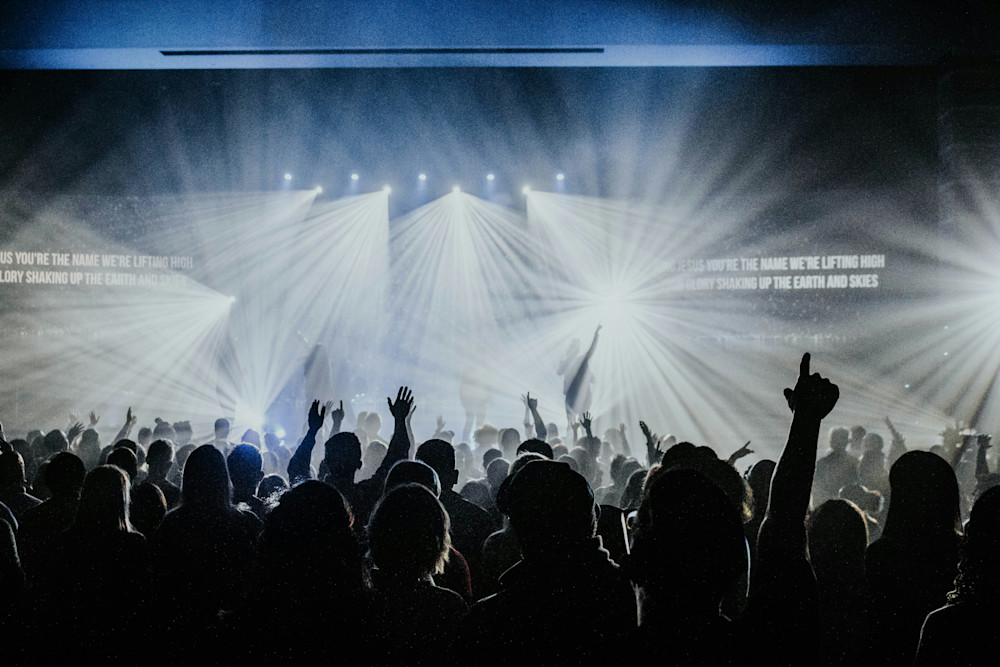
Big show. Massive stadium. No room for a bad seat strategy.
At AT&T Stadium, where you sit can completely change your concert experience. In a building this large, the “best” seat is not always the closest one. Sometimes the smarter play is a few rows higher, where you can actually see the full stage, the runway, the screens and the production all working together. That is the real trick to buying well in this venue.
That lines up with what fans consistently show in reviews and seat photos. Lower bowl and club-adjacent sections tend to hit the sweet spot because they keep you close to the performance while giving you enough elevation to avoid the flat-floor problem. Floor can absolutely be elite, but mostly when you are truly close to the stage or directly on a runway. Once you drift too far back, heads, phones and the sheer scale of the stadium can start working against you.
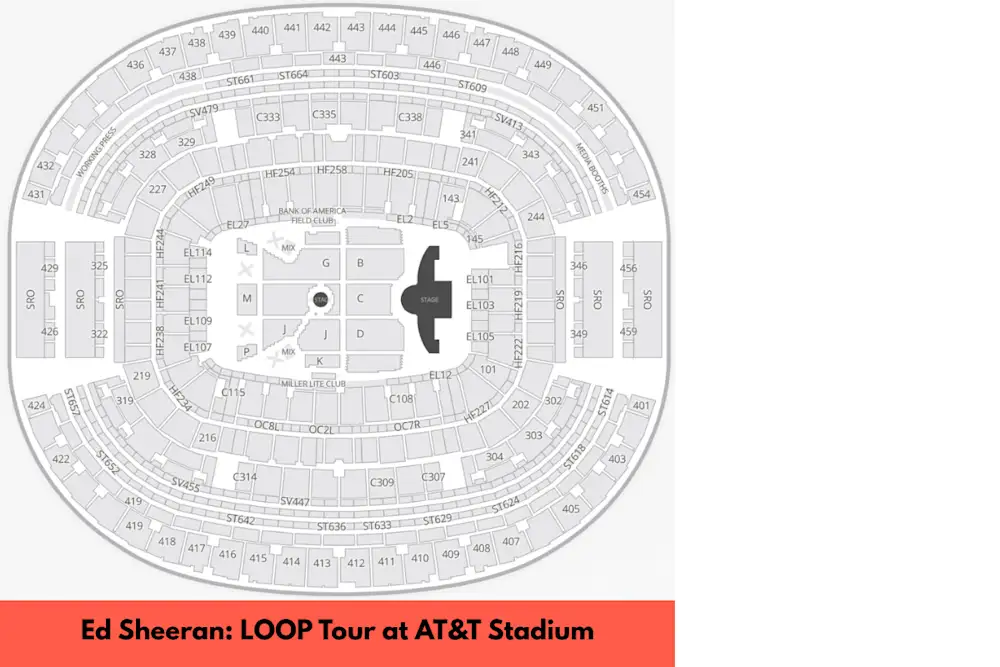
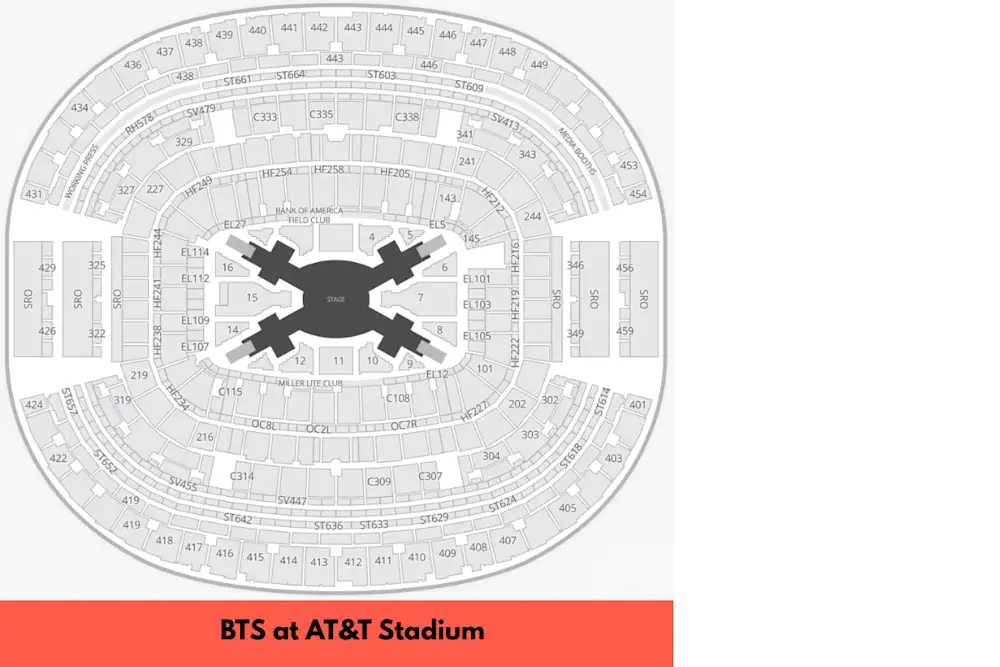
Before you buy, always check the AT&T Stadium event-specific seating map. AT&T Stadium concert layouts vary by performance, and sections can be removed, reshaped or reoriented depending on the artist, stage build and whether the tour uses a runway, B-stage or custom production. That is the inside scoop here: at this venue, the same “floor seat” can be an incredible buy for one show but not the same experience for the next.
As the Official Ticketing Partner of AT&T Stadium, SeatGeek is where fans can shop primary tickets for concerts at the venue. We power presales and onsales for AT&T Stadium shows, so when tickets first go live, you can get them directly through SeatGeek. That makes SeatGeek one of the best places to start if you want first access for your top seats for upcoming concerts at AT&T Stadium.
Best seats at AT&T Stadium for concerts
The best seats at AT&T Stadium can vary depending on the show, the stage setup and the kind of experience you want. In a venue this large, factors like elevation, distance from the stage and overall sightlines can all shape how a section feels on concert night.
Here’s how the main seating areas typically compare.
Floor seats
Floor seats can be some of the best tickets in the building, but only when the layout works in your favor.
The best floor experience usually comes from the sections nearest the main stage or directly alongside a runway, where you are close enough that the lack of elevation does not hurt you. That is when floor feels electric and immersive. The farther back you go, the more the experience can shift from “unreal” to “why can’t I see over everyone?” In a venue this size, closeness matters more on the floor than it does in the bowl.
Lower bowl seats
If you want the best mix of view and value, start with the lower bowl.
Centered lower bowl sections are usually the safest bet because they give you direct sightlines to the stage and enough height to see choreography, visuals and production cues clearly. This is especially important for pop and stadium tours where the show is designed to be watched as a full visual experience, not just heard. For a lot of fans, this is the zone that feels most “worth it” once price and view are weighed together.
Club seats
Club seats are a smart premium move if you want comfort without sacrificing the view.
At AT&T Stadium, club-level areas offer a more elevated angle, wider seats and access to premium spaces, which can make a big difference for a long stadium show. They are especially appealing for fans who want a better overall night out, not just the closest possible seat. This is one of the most underrated ways to do a concert here: cleaner sightlines, more breathing room and a less hectic experience than the floor.
Upper-level seats
Upper-level center sections are often the best value seats in the building.
In plenty of stadiums, upper level can feel disconnected. At AT&T Stadium, the giant video board and massive-scale production help those seats play better than fans expect, especially in more centered sections. You are not getting intimacy, but you can still get a strong full-show perspective without paying lower bowl prices. For budget shoppers, that is usually the first zone worth targeting.
SeatGeek's take on the best concert seats at AT&T Stadium
The best seats for concerts at AT&T Stadium depend on the kind of night you want. Lower bowl center is still the best all-around answer for most fans. Front floor can be incredible for the right show. Club seats give you a premium mix of comfort and sightlines. Upper-level center is often the best value play in the building.
The biggest takeaway is simple: buy for the show, not just the section. Concert layouts here change enough that the smart move is always to check the artist-specific map before you commit. That is how you avoid paying premium money for the wrong kind of “close.” Below, you can see a more traditional end-stage setup for Ed Sheeran’s LOOP Tour at AT&T Stadium, while the BTS tour uses an in-the-round configuration.
Concert seating FAQs for AT&T Stadium
Choosing seats at AT&T Stadium can be a little less straightforward than at a typical arena, so these are the questions fans most often ask before buying for a concert here.
Do concert seat views change by event at AT&T Stadium?
Yes, and that is one of the most important things to know before buying. Concert layouts at AT&T Stadium can vary significantly depending on the artist, stage orientation, runway, B-stage and custom production design. A section that is great for one show may not play the same way for another, which is why checking the event-specific map is essential.
Is it better to sit on the side or in the center for a concert at AT&T Stadium?
For most concerts, centered sections are the safer choice. They usually give you a cleaner view of the main stage, video elements and full production. Side sections can still work well depending on the layout, but they are more dependent on the specific tour design and can sometimes leave you with a more angled or partial experience.
How can I see the seating map for my concert on SeatGeek?
To view the seating map for a specific concert at AT&T Stadium on SeatGeek, start at the venue’s seating chart page, then select your event from the list of available shows (using the rectangular widget in the lefthand corner of the map). From there, you can open the event page to see the seating chart and concert layout for that tour. Because setups can vary by artist and production, checking the event page is the best way to see how the map is configured for your show.
How to get concert tickets at AT&T Stadium on SeatGeek
The smartest way to shop AT&T Stadium is to treat the map like a strategy tool, not just a checkout step. Because concert layouts here can change dramatically by artist, the best buyers compare sections against the exact event setup, then use seat views and pricing tools to figure out where the real value is.
Search for your event on SeatGeek and open the interactive seating chart for AT&T Stadium.
Compare floor, lower bowl, club and upper-level options based on your budget and the exact event layout.
Use filters to narrow by price, section or row so you can quickly find seats that match your priorities.
Check seat views when available to get a better sense of the angle and distance before you buy.
Use Deal Score to compare seat quality and price across listings.
Review your tickets at checkout and buy with confidence once you have found the right fit for your show.
When the map is this dynamic, the edge goes to the fan who shops smarter. Pull up the event, study the layout and find the section that fits your version of a perfect night. Your best seat at AT&T Stadium is usually not the most obvious one.
And when you are ready to buy, SeatGeek is the best place to start. As the Official Ticketing Partner of AT&T Stadium, SeatGeek hosts presales and onsales for concerts at the venue, so fans can shop primary tickets directly on SeatGeek when they first become available.
At AT&T Stadium, the best seat is the one that matches your priorities and the way the show is built. Head to SeatGeek, compare your options and grab the seats that put you right where you want to be.
📁 Categories: Concerts
🏷️ Tags: AT&T Stadium, Dallas